
 Cristina Pedrazuela
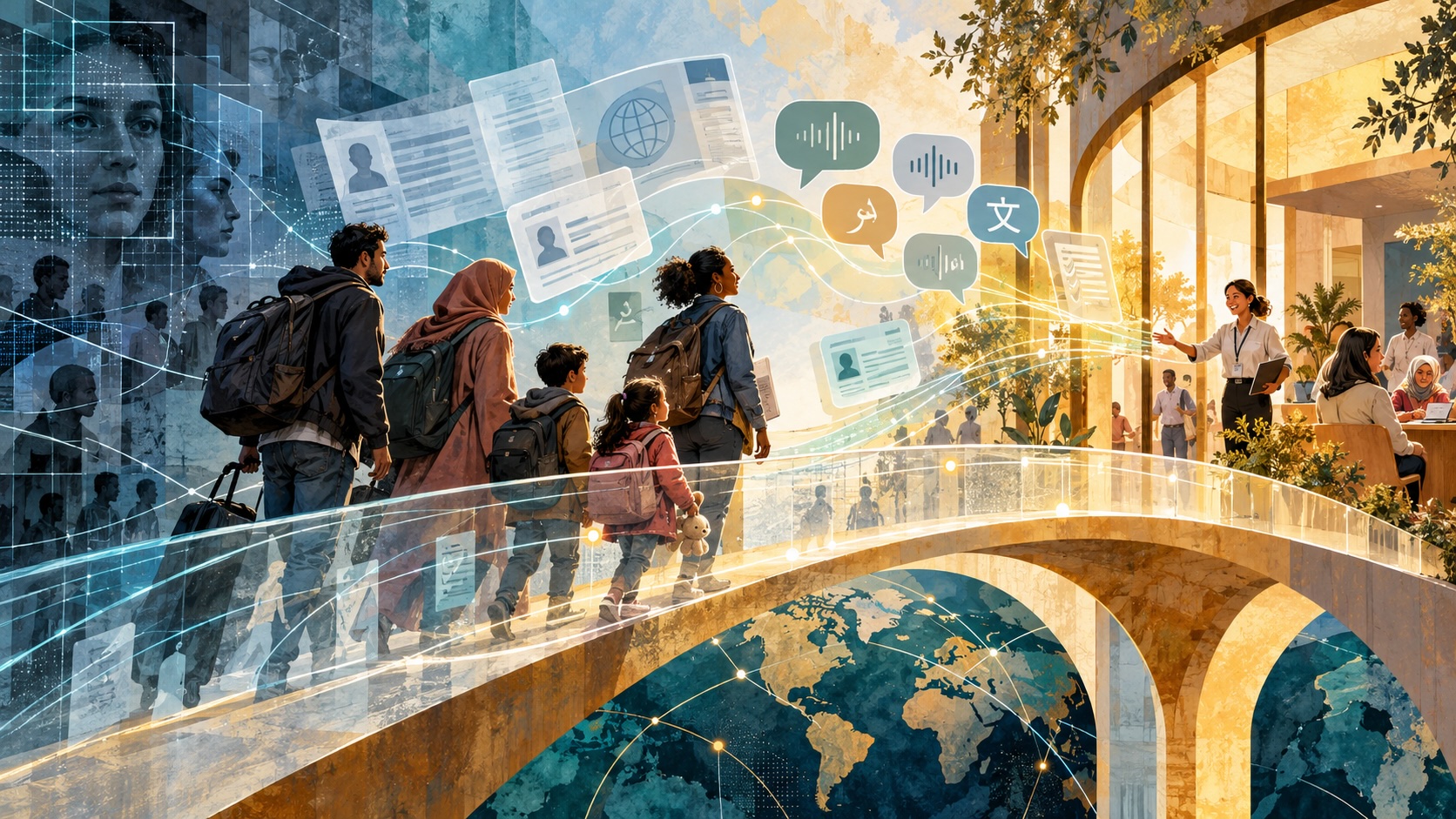
Cognitive computing could take over the more perfunctory aspects at the administrative level to speed up procedures. So far, artificial intelligence is revolutionizing migration systems by automating administrative workflows, significantly reducing processing times for visas, residence permits, and asylum applications. Tools like Optical Character Recognition (OCR) can rapidly digitize and verify most documents, reducing human error and expediting case handling. Moreover, AI-driven platforms enable seamless data sharing between agencies, ensuring consistent and accurate decision-making. By alleviating bureaucratic bottlenecks, smart technologies allow immigration officials to focus on complex cases while enhancing the overall efficiency of migration services. As global mobility increases, integrating advanced algorithms into migration systems is not just an option, it is needed for modernizing and streamlining migration management.
The catch being…
First and foremost, there’s a high risk of algorithmic bias in decision-making. Despite its untapped potential, AI systems often inherit biases from historical data, as it so happened with Microsoft’s AI chatbot ‘Tay,’ launched on Twitter in 2016, which quickly devolved into producing racist and offensive content within hours of interacting with users. Algorithms trained on discriminatory practices or incomplete datasets can unfairly prioritize or reject applications based on race, nationality, or socioeconomic status. For instance, asylum seekers from underrepresented regions may face higher rejection rates due to biased profiling. Such biases erode trust in migration systems and perpetuate inequalities, undermining the fairness AI promises to deliver.
Likewise, there’s a risk regarding potential transparency and accountability gaps. AI-driven decisions may lack transparency, leaving migrants in the dark about why their applications are accepted or denied, such as the recently implemented IRCC system, in Canada, or UK’s IPIC system. This opacity complicates appeals and legal recourse, as applicants struggle to challenge decisions made by opaque algorithms. Without clear accountability mechanisms, errors in processing may go unaddressed, fostering distrust in automated systems. Hopefully, with a lessened administrative burden, a simple way of circumventing the situation could be guaranteeing an unconditioned second appeal instance, with no AI intervention at all.
On a higher note, we must look into privacy concerns within the frame of data collection. It’s common for artificial intelligence systems to rely on extensive data collection, including sensitive biometric information like facial recognition and fingerprints. This raises significant privacy issues, particularly if data is stored insecurely or shared without consent. Such situations have already taken place in India’s Aadhaar program (2018) which has faced multiple data breaches. Perceptics, a contractor for U.S. Customs and Border Protection (CBP) suffered a cyberattack as well (2019), resulting in the theft of sensitive data. What’s more, In 2021, it was reported that the United Nations High Commissioner for Refugees (UNHCR) shared the biometric data of thousands of Rohingya refugees with the government of Myanmar, exposing vulnerable individuals to further persecution. As such, it’s clear that careless algorithm implementation could expose vulnerable individuals to exploitation or surveillance, risking their safety and violating fundamental privacy rights.

From a more hopeful perspective, AI-powered tools are transforming the way migrants access vital information. Multilingual chatbots such as Immibot or virtual assistants like Visto Copilot (Canada) provide immediate, personalized guidance on visa requirements, legal rights, and available social services in their native languages. This accessibility reduces the dependency on intermediaries and simplifies navigation through complex bureaucratic systems. AI-driven platforms also offer culturally relevant resources, such as guides to local norms and job markets, empowering migrants to integrate into their new communities. By bridging language and informational gaps, AI enhances the migrant experience, ensuring they are better equipped to adapt and thrive in their host countries.
Not only that, AI is a game-changer in combating fraud within migration systems. Advanced machine learning algorithms can swiftly detect forged documents, inconsistencies in applications, and suspicious activity patterns that might otherwise go unnoticed. For example, image recognition technologies can verify the authenticity of passports and IDs, ensuring compliance with legal standards. Both the USCIS and FDNS in the USA already uses this technology. Europe is implementing such technologies as well, as it shows in Face’s case, which has implemented the ANEF Portal to uncover and trace document fraud. Automated technologies also enhance security by cross-referencing databases to identify discrepancies, mitigating risks of identity theft or illegal migration. These capabilities not only strengthen the integrity of migration processes but also foster greater trust in the system, ensuring that resources are allocated to those who genuinely qualify.
The trade-off is…
From the angle of technological dependency, despite AI enhancing overall efficiency, it also creates a reliance on advanced technological infrastructure. Countries with limited resources may struggle to implement or maintain AI-driven systems, creating disparities in migration services. Additionally, migrants from underprivileged regions may lack the digital literacy needed to navigate these systems effectively, leading to exclusion from vital services. The gap between technologically advanced nations and those without such capabilities risks marginalizing vulnerable populations further. Dependence on technology can also result in disruptions if systems fail, leaving critical processes—like visa applications—at a standstill and potentially affecting millions of lives.
Not only that, there’s the potential risk of over-surveillance, since AI’s application in migration processes often involves extensive surveillance measures, such as facial recognition at borders or real-time tracking of migrant activities. While these tools aim to ensure security, they risk encroaching on individuals’ privacy and human rights. We have seen recent controversies on that matter in EU though Regulation (EU) 2024/1689 (AI Act), that allows the deployment of AI systems for biometric identification in EU borders, sparking debate over privacy rights and the potential for discriminatory profiling. Over-surveillance can lead to abuse, particularly in authoritarian regimes, where such technologies might be used to target or oppress vulnerable groups. On that regard, China has been actively using facial recognition cameras and AI-driven monitoring systems to track and detain North Korean defectors, raising serious human rights concerns. Furthermore, the normalization of pervasive monitoring may foster a climate of distrust and fear among migrants, hindering their ability to integrate into host societies. Balancing security with respect for personal freedoms remains a critical challenge in leveraging AI responsibly.
On a more uplifting perspective, AI offers unprecedented capabilities to manage migration flows more effectively. By analysing real-time data from sources like satellite imagery, social media, and economic reports, AI can predict migration trends caused by crises, conflicts, or natural disasters. This foresight allows governments and international organizations to prepare resources, establish safe routes, and implement timely policies that save lives. Furthermore, AI-powered models enable better allocation of humanitarian aid and support, ensuring that vulnerable populations receive assistance when and where it is most needed, such as the World Food Programme (WFP) employing artificial intelligence to analyse security trends and anticipate climate-related disasters, allowing for timely mobilization of resources and aid delivery. In this way, AI not only streamlines logistical challenges but also fosters a more compassionate and proactive response to global migration.

Regarding the former, we are not to forget digital exclusion, which may become a barrier for vulnerable migrants, many of which, especially those from underserved or conflict-affected regions, lack access to the internet or the technological literacy needed to use AI-driven systems. This creates a divide, where those most in need of support are the least likely to benefit from these advancements. Automated platforms and online-only services can inadvertently exclude individuals who cannot navigate digital tools, leaving them without vital resources. Furthermore, this reliance on technology risks marginalizing communities, perpetuating inequalities, and undermining the inclusivity AI systems aim to achieve in migration processes.
So, when all’s said and done, considering how most developed countries grapple with an ageing population and AI potentially displacing menial jobs, developing AI as a tool to manage migration becomes not just a necessity but an opportunity. Smart, ethical AI systems can streamline migration processes, filling gaps in labour markets and ensuring the seamless integration of migrants into aging societies. By addressing biases and prioritizing inclusivity, AI has the potential to transform migration into a mutually beneficial solution—providing migrants with new opportunities while revitalizing economies. Striking a balance between innovation and humanity will ensure that AI supports a future where migration fosters growth, resilience, and shared prosperity.


 Carlos Mundy

 Giovanni R. Ruffini Professor of History Fairfield University, USA



 Charles Markeaton-Mundy

 Ludovico di Valdieri


 Clive Uckfield