
 Lavinia Ellington-Wentworth
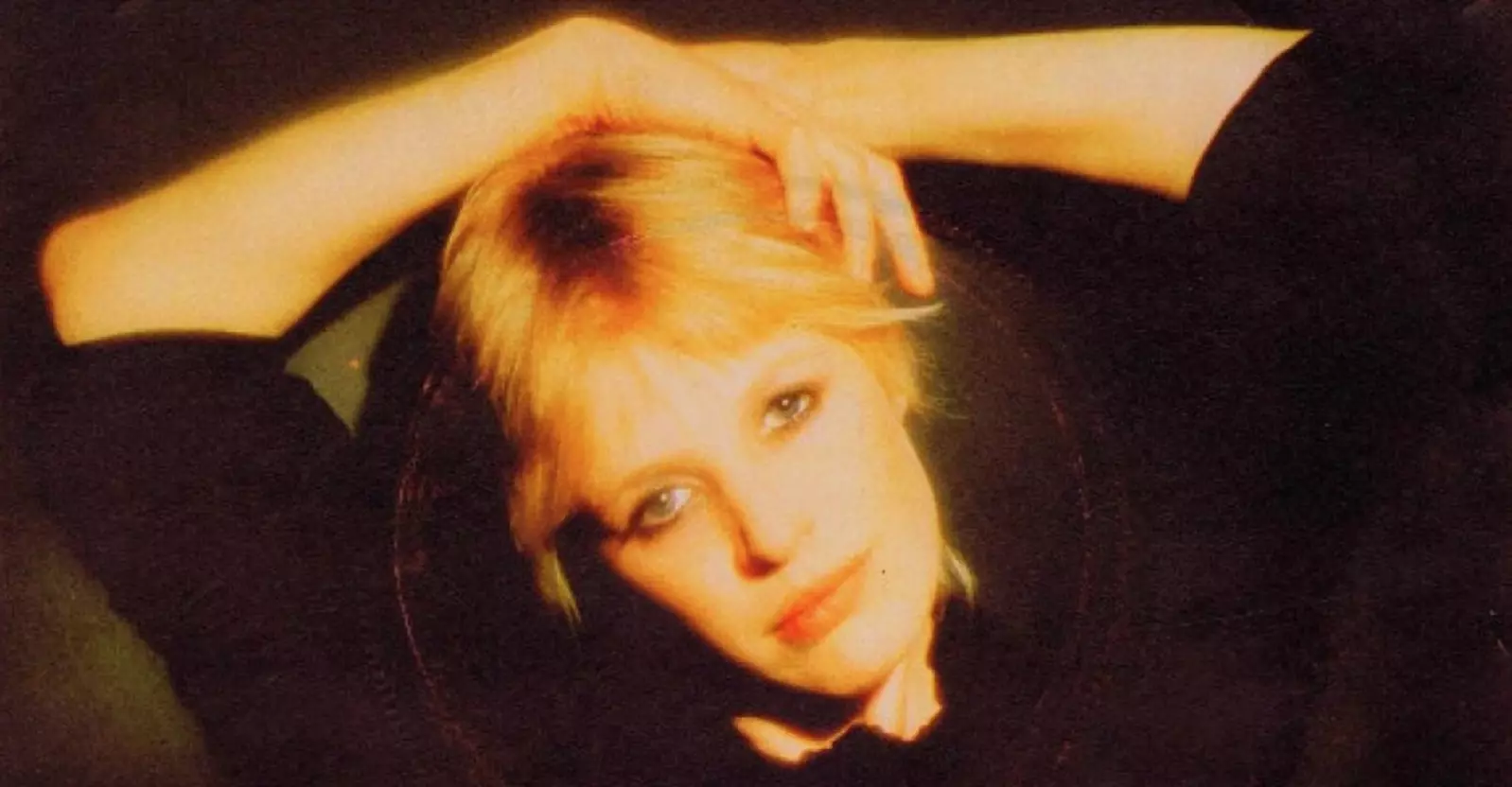
Marianne Faithfull is a paragon of resilience, rebellion, and the art of reinvention. From her meteoric rise in the 1960s to her enduring presence today, Faithfull’s journey speaks to a life lived on her own terms, boldly and unapologetically. Her story is that of a woman who has transcended the roles imposed on her, emerging time and again as an icon, not just in music, but in culture at large.
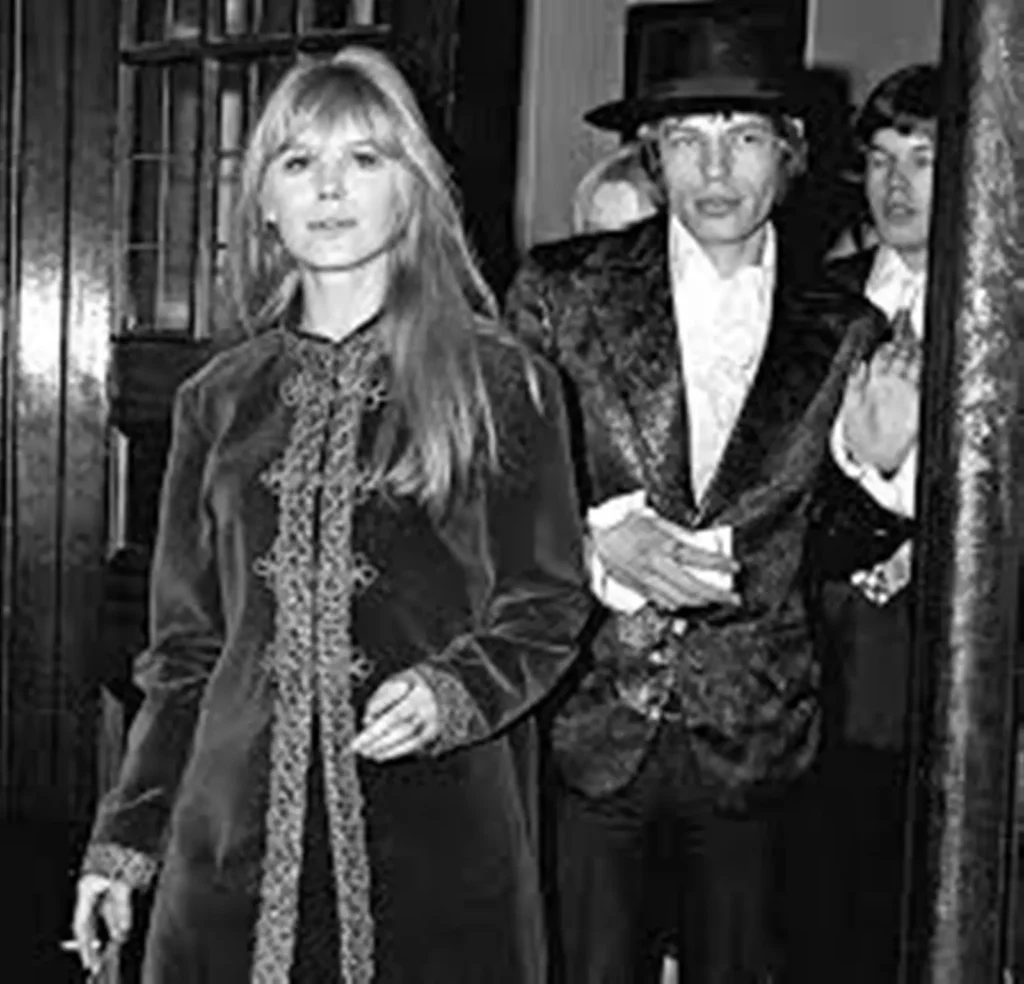
Faithfull’s rise began almost serendipitously in 1964 at a Rolling Stones launch party. Discovered by manager Andrew Loog Oldham, she swiftly captured the spotlight with her first single, As Tears Go By, written by Mick Jagger, Keith Richards, and Oldham himself. With her ethereal voice and striking looks, she quickly became a household name and an “it girl” of Swinging London. Yet Faithfull was never content to merely exist as a pop star or a muse within rock’s male-dominated realm; she strove for a deeper artistic identity, and her life story reflects that singular determination.
The 1960s were both triumphant and turbulent for Faithfull. Her high-profile relationship with Rolling Stones frontman Mick Jagger placed her firmly in the media spotlight, a position that exacted a considerable toll. Entangled in the era’s drug culture, Faithfull faced a battle with addiction and endured years of homelessness throughout the 1970s. Yet rather than diminish her spirit, these experiences fuelled her artistry. She re-emerged in the late 1970s with a voice that was now seasoned, raw, and imbued with a haunting wisdom.
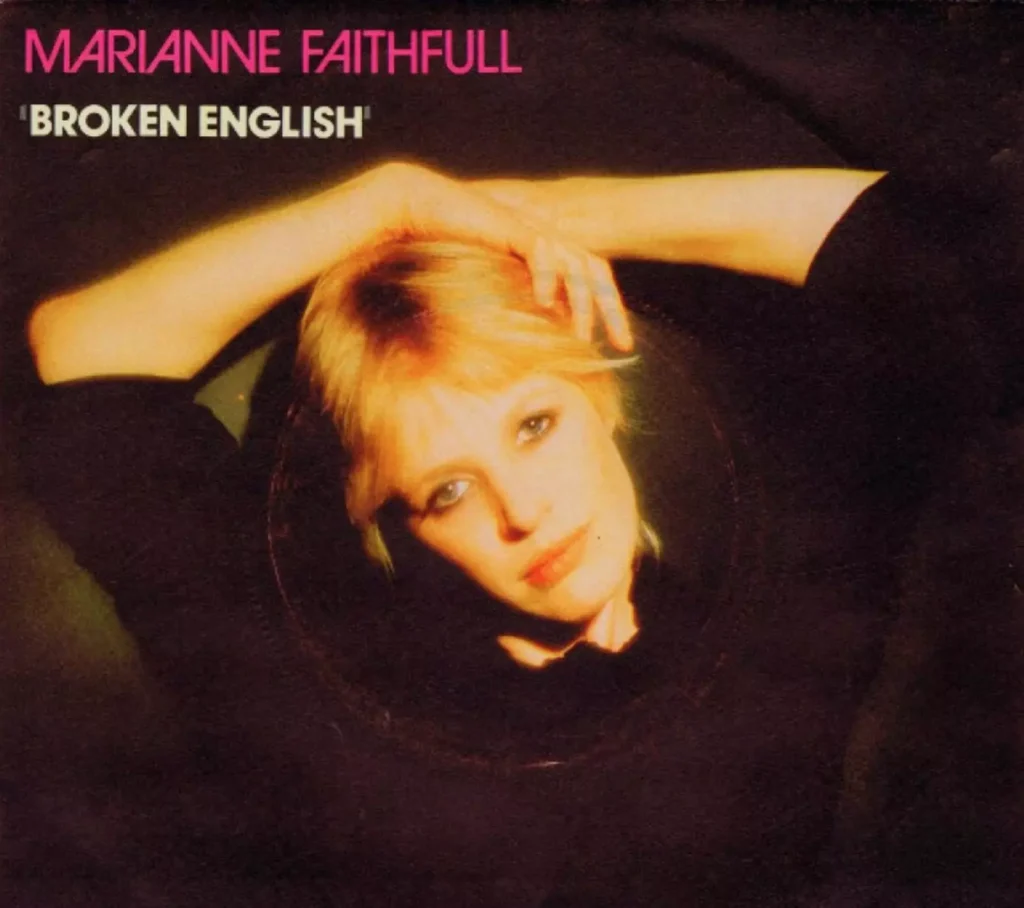
Her 1979 album, Broken English, marked a pivotal transformation, showcasing Faithfull as a gritty, introspective artist. The album’s frank lyrics and stark sound captured the fury and anguish of the punk era, securing its place as one of Faithfull’s most powerful works and affirming her position as a leading voice in rock.
Through the decades, Faithfull’s career has epitomised adaptability. From rock to punk, new wave to alternative, her sound has evolved, always reflecting the shifting musical landscape. Collaborations with artists like Nick Cave and PJ Harvey in the 1990s and 2000s underscore her continued relevance and her enduring influence on successive generations of musicians.
Faithfull’s artistic talents extend beyond music alone. Faithfull has made her mark in theatre and film, where her roles have further demonstrated her range and depth. From her performance as Ophelia in Hamlet to her memorable portrayal of a former opera singer in Sofia Coppola’s Marie Antoinette, Faithfull has channelled her life experiences into powerful, authentic portrayals.
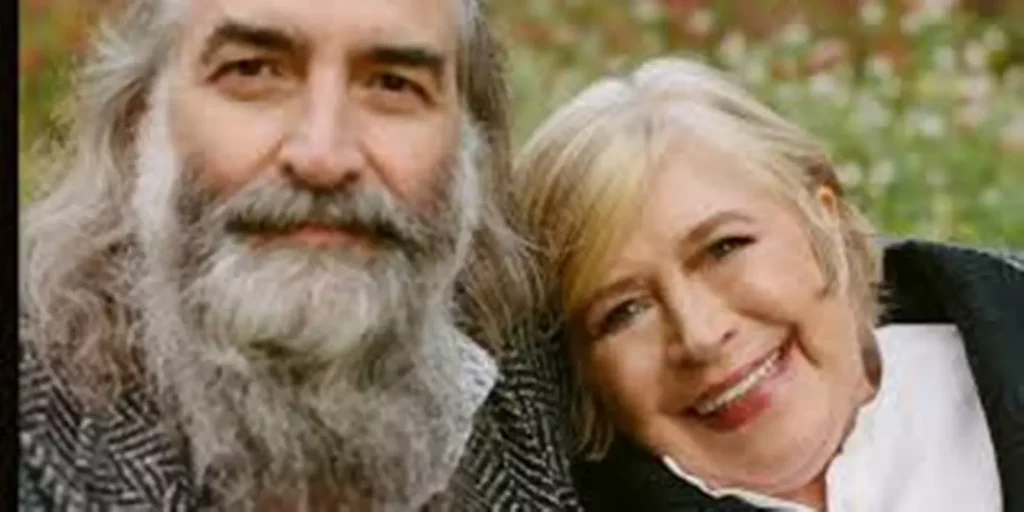
Faithfull’s influence has only deepened in recent years, particularly as she has become a symbol of survival and perseverance in an industry notorious for its unforgiving nature. She continues to resonate with younger audiences, who see her as a pioneering figure of creative freedom and self-expression. Her 2021 album, *She Walks in Beauty*, stands as a testament to her artistry and intellectual curiosity. A collection of classic poetry readings set to ambient music by Warren Ellis, the album features Faithfull reciting Keats, Shelley, Byron, and Tennyson. It’s an exquisite exploration of literature and sound that underscores her enduring devotion to art in all its forms.
Marianne Faithfull’s legacy is that of a woman who has faced life’s darkest moments head-on and emerged transformed. Her voice—both in song and spirit—has inspired audiences for over fifty years, inviting them into the depths of her experiences and emotions. Each album, each performance, and each spoken word reveals a profound beauty born of resilience and the fearless pursuit of self-expression.
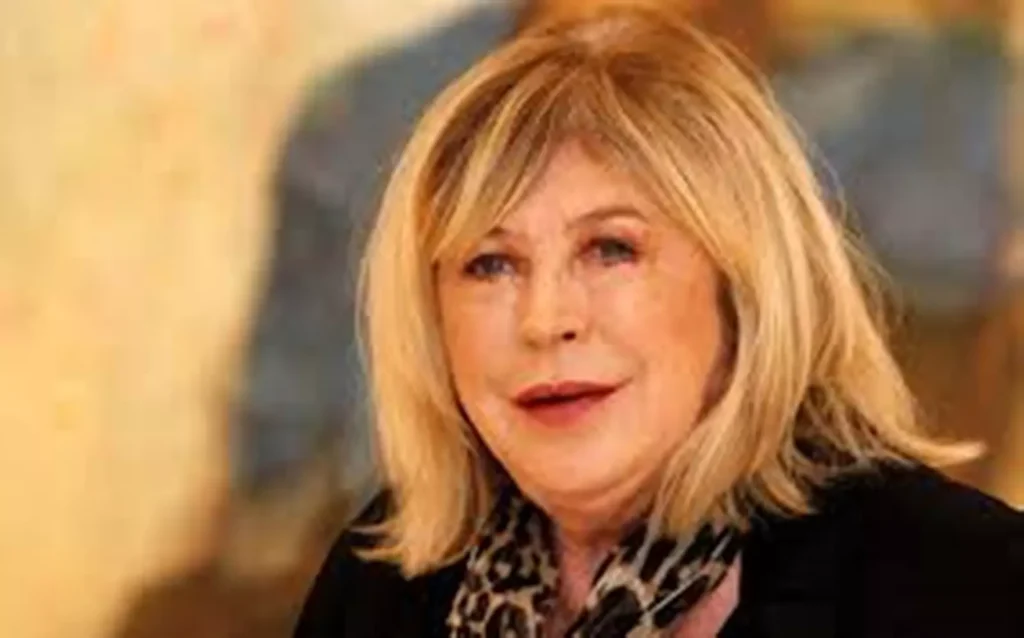
As she continues to create and inspire, Marianne Faithfull is not merely a figure from rock’s storied past; she is a living legend whose story is still unfolding. To those who listen, she offers far more than music—she offers a testament to the indomitable spirit of survival and creativity that only grows richer with time.
To see more articles related to this topic, follow this link.


 Elga Wimmer

 Pablo H. Aznar

 Clifford Thurlow


 Antoinette Martin

 Romy Querol

 Charles Markeaton-Mundy
 Gaspard de Montfort

 Milton Cooper
