

 Laura Mitchell
Donald Trump’s warning about mass migration resonates because it raises a question Western governments have spent too long trying to evade: who decides how rapidly a country changes, and what obligations do those who arrive have to the society they join?
A nation is more than an economy that needs workers. It has a language, a history, institutions and habits of public life. Its people need some confidence that these will be passed on. Yet immigration policy is often discussed as though the only choices are unlimited welcome or hostility to foreigners. That leaves little room for citizens who believe in offering refuge, value the contributions of immigrants and still think the present scale and pace of change demand a serious reassessment.
In Britain, long-term immigration peaked at an estimated 1.469 million in the year to March 2023. It has since fallen substantially, to an estimated 813,000 arrivals and net migration of 171,000 in the year to December 2025. Those figures describe different measures, and most long-term arrivals did not enter illegally. They do, however, show how quickly the scale of migration can change through government decisions. Voters are entitled to ask whether housing, schools, healthcare and local communities had the capacity to adjust.
“Mass immigration is killing Europe—and the political class just don’t care” is how some citizens now express their anger. The language is severe, but the political class should ask why it has taken hold. When people cannot find housing, see public services under strain and watch familiar communities change within a few years, assurances that everything is under control sound detached from daily life. Governments set immigration policy. They must answer for its effects, including effects they did not intend.
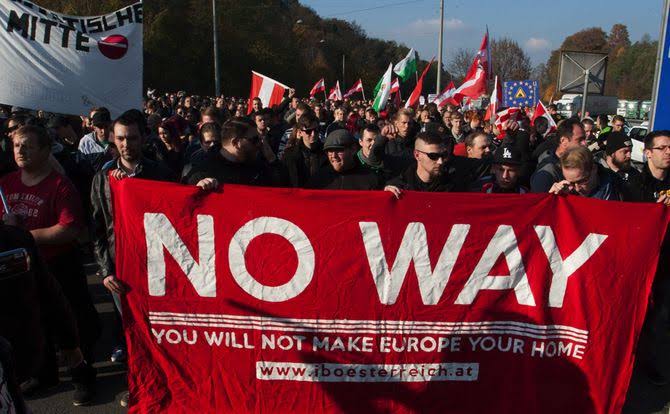
The cultural consequences deserve the same honesty. Freedom of speech, equality before the law, the equal rights of women and men, and the liberty to practise, leave or criticise a religion are principles that Western societies must defend. Newcomers should be free to retain their faith and customs within that framework. No religious or cultural practice should be allowed to override it.
This question becomes especially sensitive where deeply conservative interpretations of Islam come into conflict with those freedoms. It is legitimate to challenge demands for religious rules in public institutions, intimidation of people who leave a faith, coercion within families or attempts to silence criticism through threats. Governments should confront such conduct wherever it occurs. They should also recognise that many Muslims uphold the same civic freedoms and may themselves be among the people most exposed to religious coercion. The standard must be conduct and respect for the law, applied equally to everyone.
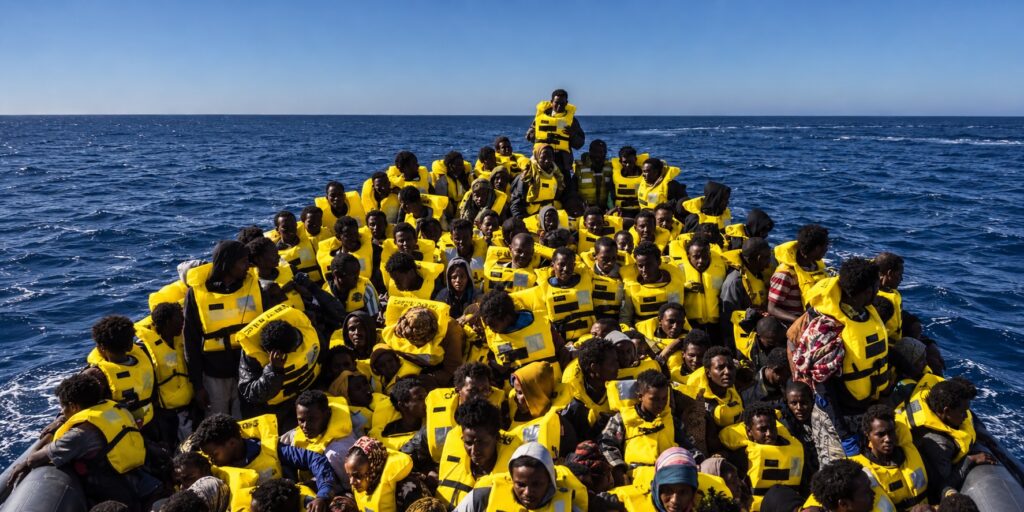
Too often, however, politicians respond to anxiety about integration with general assurances about tolerance. Tolerance is a vital principle, but it cannot mean that a host society must become uncertain about its own values. Schools need to teach those values clearly. Public authorities need to defend them consistently. Political leaders need to say, without embarrassment, that immigration involves responsibilities as well as rights.
The frustration grows when citizens believe their leaders care more about managing objections than addressing their causes. A minister can praise diversity in a speech; a local council must still find school places, housing and services. Calling people intolerant for asking whether those needs can be met does nothing to meet them. Nor does it answer the deeper question of whether newcomers are being encouraged to take part in a shared civic life. If politicians want to challenge the claim that they “just don’t care”, they must show that they have listened and explain what they will change.
There is another source of discontent: the fear that expressing these concerns publicly may bring a police visit, a prosecution or damage to one’s livelihood. Britain does have criminal offences covering certain online communications. The Crown Prosecution Service’s guidance includes offences concerning messages judged “grossly offensive”, as well as threatening communications. At the same time, freedom of expression is protected under Article 10 of the European Convention on Human Rights; restrictions must meet legal tests of necessity and proportionality. Those distinctions matter. Criticism of immigration policy or religious ideas must not be treated as though it were a threat or an incitement to violence.
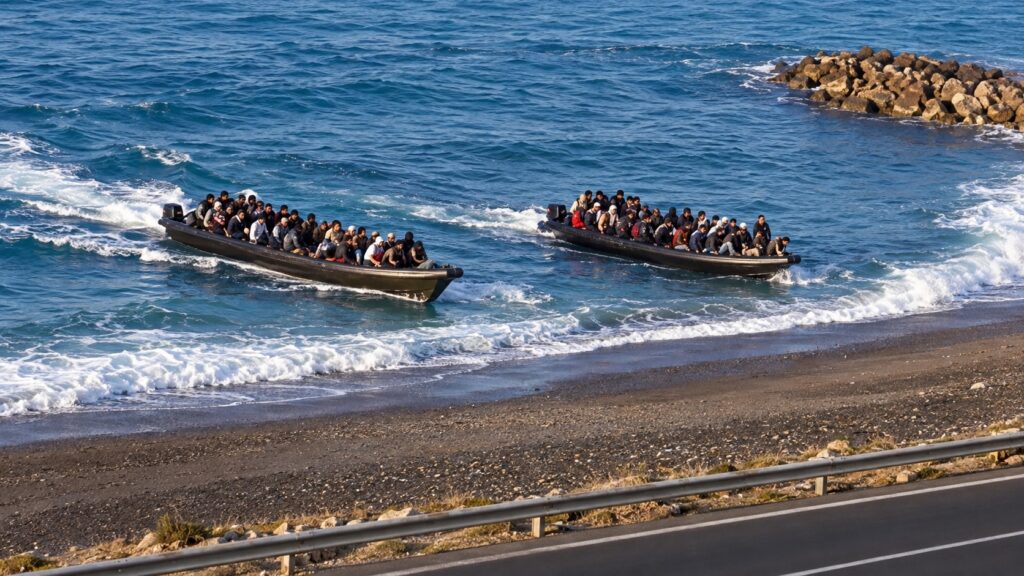
A government may have good reason to prosecute genuine threats and targeted harassment. It should be equally determined to protect the right to voice unpopular political opinions, including opinions expressed bluntly on social media. If the boundary is unclear or enforced inconsistently, people will reasonably wonder whether they are free to speak. Ministers and police should be willing to explain that boundary in language the public can understand.
The scale of public protest shows how urgently that trust needs rebuilding. At the Unite the Kingdom rally in London on 13 September 2025, the Metropolitan Police estimated attendance at approximately 150,000; a counter-demonstration drew about 5,000. That event contained different voices and cannot be taken as a mandate for every claim made from its platform. Its size nevertheless showed that anger about immigration, identity and free expression had moved well beyond private conversation. Peaceful protest must be heard, while violence and intimidation must be rejected.
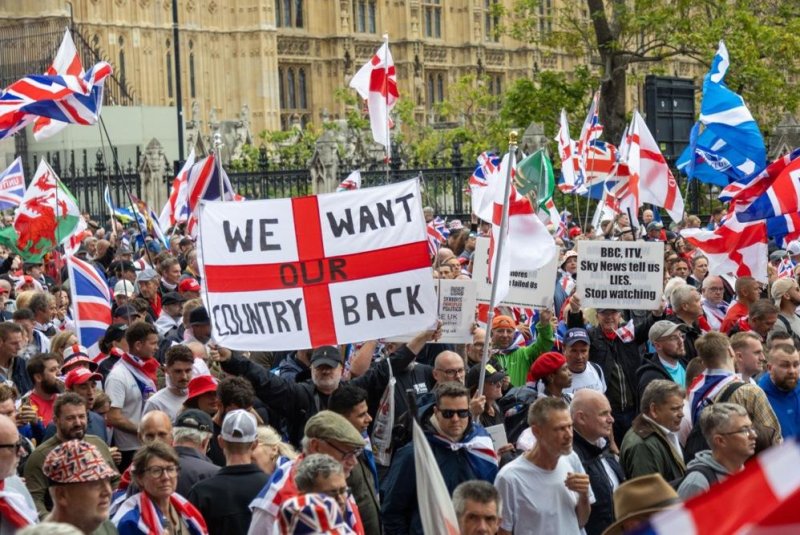
Civil society organisations and local campaigns will continue to grow when people feel that established parties refuse to represent their concerns. The answer is neither to dismiss every demonstrator nor to accept every accusation made at a rally. It is to restore democratic accountability: publish clear migration figures, explain the limits of local capacity, enforce immigration rules, decide asylum claims promptly and fairly, and set out what integration requires.
Trump is right about the central principle of sovereignty. A country has the right to decide who enters and remains, and its citizens have the right to debate what kind of country they wish to hand to the next generation. Western leaders should exercise that authority with confidence and fairness. They must protect freedom of religion and freedom to criticise religion; welcome those willing to share a common civic life; and refuse the idea that tolerance requires silence about genuine conflicts of values.
If governments continue to evade those choices, public anger will not disappear. It will find other leaders, other organisations and larger demonstrations. Listening now, and acting within the law, is the wiser course.


 Carlos Mundy

 Giovanni R. Ruffini Professor of History Fairfield University, USA



 Lavinia Ellington-Wentworth
 Avner Kessel


 Filippo degli Albizzi