

 Gaspard de Montfort
Italy, the birthplace of some of the greatest civilizations in history, is not only known for its art, architecture, and philosophy but also for a cuisine that has transcended borders and influenced kitchens worldwide. Italian cuisine is not merely a culinary experience; it is a deep reflection of the cultural, historical, and social identity of the country. In its dishes, we find an unbreakable link between tradition and modernity, between the local and the global. Every bite is an invitation to a sensory journey that simultaneously delves into the roots of a nation proud of its culinary heritage. From the alpine mountains to the sun-drenched southern coasts, every corner of Italy offers a palette of flavors and aromas that invite exploration of its culture through food.
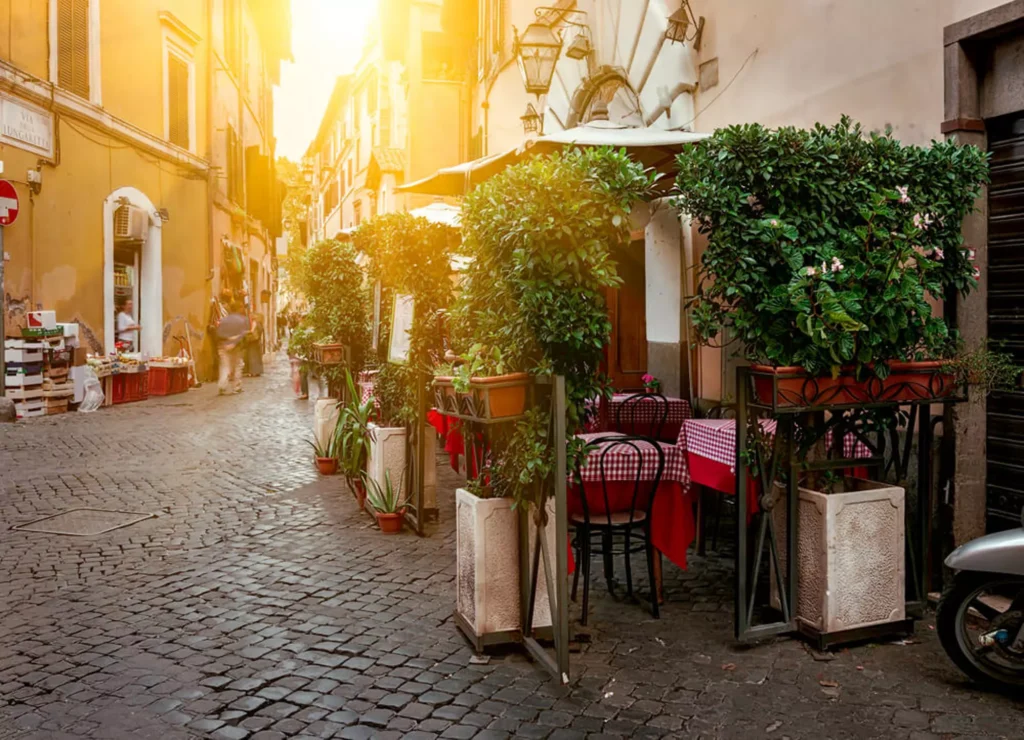
What sets Italian gastronomy apart is its impressive regional diversity. In a country with such varied geography, the influence of climate, history, and local customs has given rise to countless dishes that not only define each region but also celebrate the native products of each territory. Traveling through Italy is embarking on a journey where each region has a story to tell through its cuisine—a story woven with the threads of tradition, fresh ingredients, and the creativity of its people.
Each region of Italy, from the peaceful valleys of the north to the vibrant coasts of the south, offers a unique experience for the palate. Every meal is a celebration of cultural diversity, where climate and local history combine to create dishes as distinct as the traditions of each region.
Northern Italy: Elegance and Flavor in Every Dish
Northern Italy, influenced by the Alps and a colder climate, is home to a delicate and refined cuisine that uses simple ingredients of exceptional quality. Here, instead of pasta, butter and rice take center stage. Risotto, in particular, stands as an iconic dish, with the famous risotto alla milanese, characterized by its golden color and deeply aromatic flavor due to saffron. This creamy and flavorful risotto is a true gastronomic treasure.
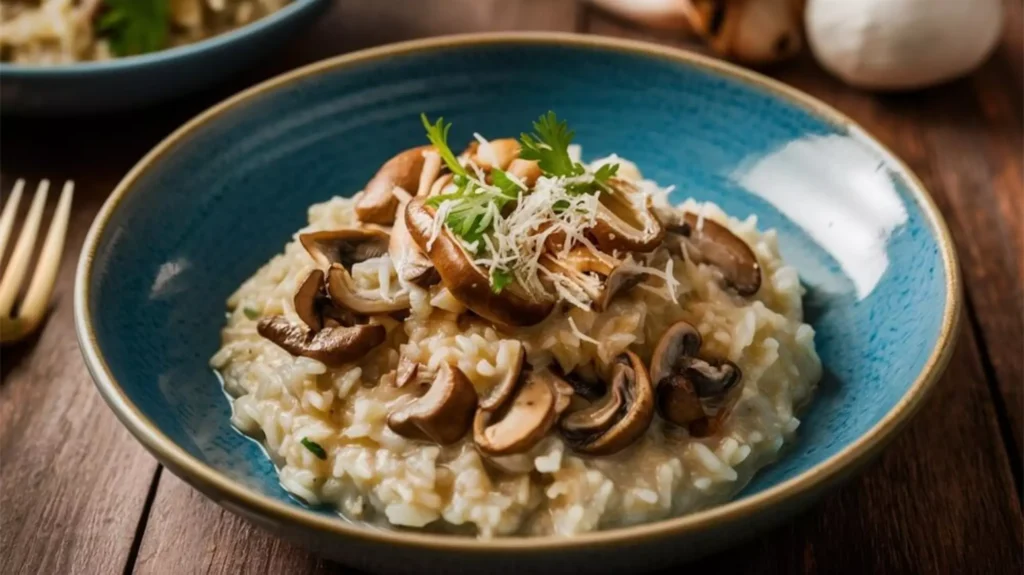
Cheese is another cornerstone of northern cuisine. Gorgonzola, creamy and pungent, and Parmigiano Reggiano, with its granular texture and intensely umami flavor, are essential in a variety of dishes, from risottos to appetizers accompanied by local cold cuts. In this region, cured meats, varying by locality, also play an important role, reflecting the artisanal skills of local producers.
Northern wines, such as Barolo from Piedmont or Chianti from Tuscany, not only complement these culinary creations but also become indispensable companions that enhance the flavors and elegance of local dishes.
Central Italy: The Home of Pasta and Culinary Tradition
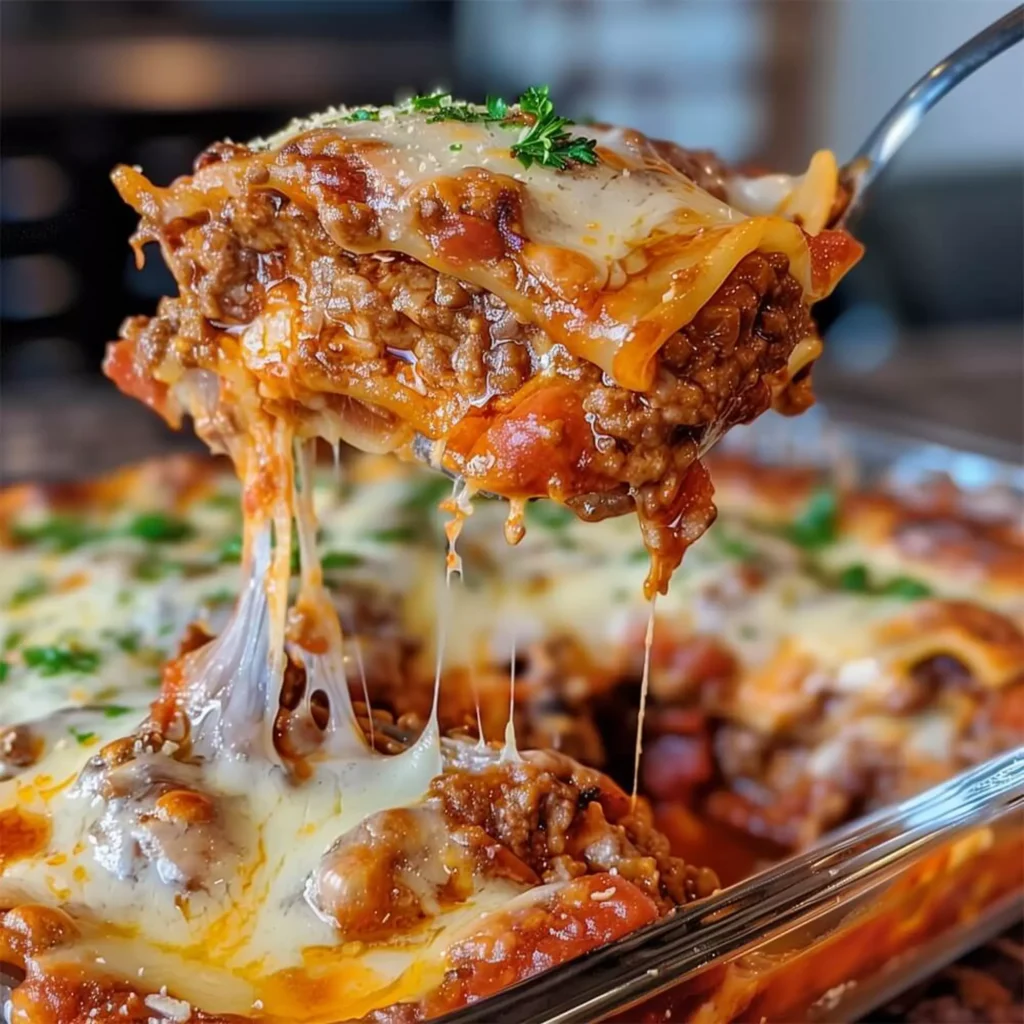
In the heart of Italy, fresh pasta is synonymous with tradition and culinary art. The regions of Emilia-Romagna and Tuscany are renowned for being the birthplace of some of the world’s most famous pastas, such as lasagna and tortellini. Here, pasta is not just a food but an expression of love for detail and dedication. The ingredients, carefully selected and handmade, give rise to pasta that not only satisfies but also becomes a delicacy to be savored slowly.
Extra virgin olive oil, a star product of regions like Tuscany, is another culinary treasure that defines this area. With its fruity and delicate flavor, olive oil becomes the essential ingredient for dressing pasta dishes, salads, and simple dishes, highlighting the freshness of ingredients and the simplicity of Italian cooking. Rosemary and basil, quintessential aromatic herbs, also play a part in this cuisine, adding freshness and depth to traditional dishes.
Southern Italy: Intensity, Sun, and Unmistakable Flavor
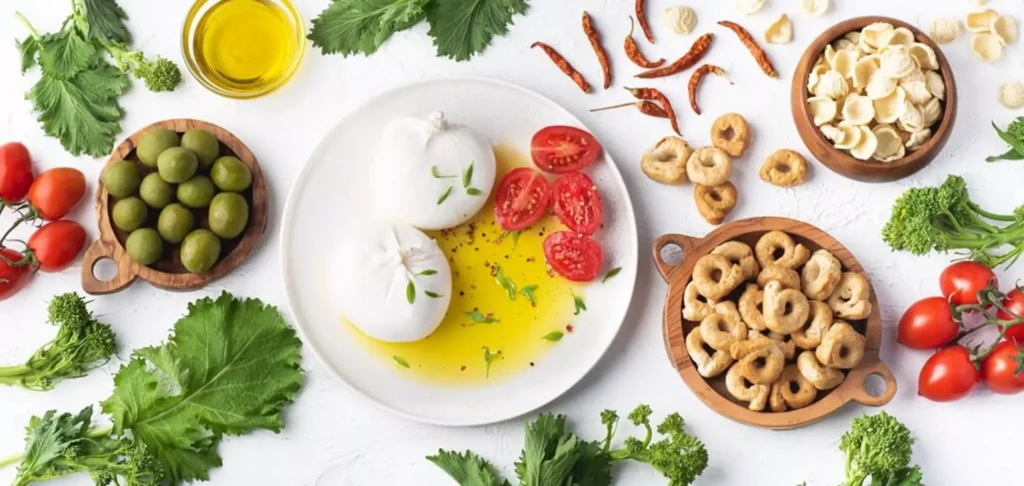
Southern Italy, especially regions like Sicily, Campania, and Puglia, is a paradise for lovers of vibrant and bold cuisine. The warm, sunny climate combined with fertile soils allows agricultural products such as ripe tomatoes, fresh basil, olives, and extra virgin olive oil to develop with a unique intensity of flavor.
One of the emblematic dishes of the south is pasta alla norma, originating from Sicily, which combines fried eggplant, fresh tomato sauce, and the unmistakable salty flavor of ricotta salata, a traditional Sicilian cheese. This dish is a perfect example of how local ingredients, though simple, come together to create a deep and satisfying flavor.
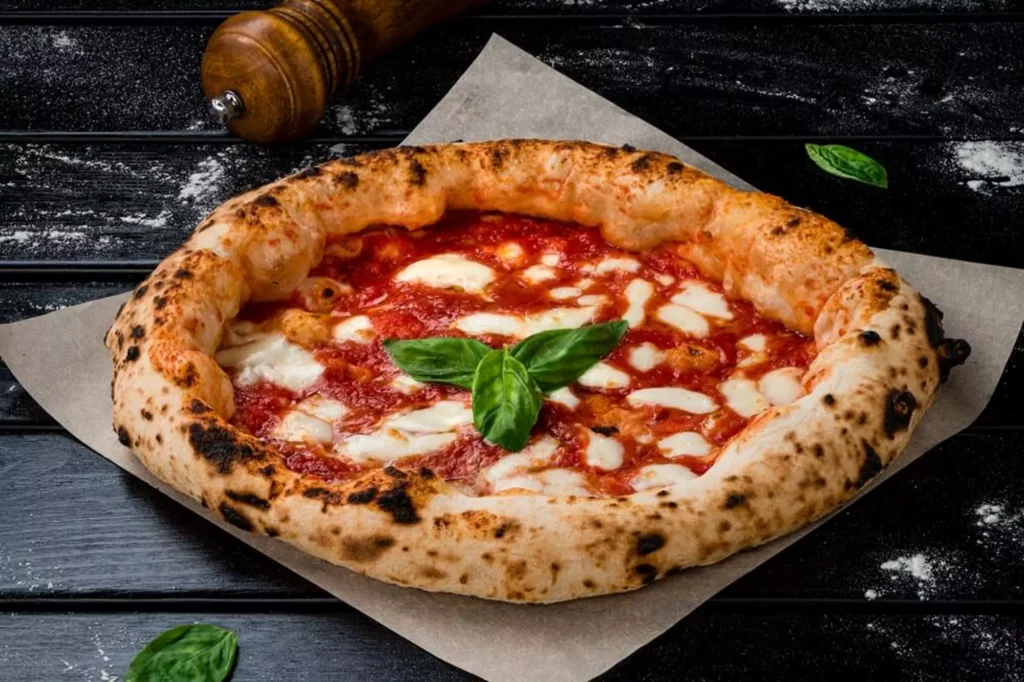
However, the true gastronomic treasure of this region is Neapolitan pizza, which, beyond being a simple meal, is a globally recognized cultural symbol. With a crispy base, fresh tomato sauce, and buffalo mozzarella that melts perfectly, Neapolitan pizza represents the perfect fusion of simplicity and excellence.
Fundamental Ingredients: The Essence of Italian Cuisine
What distinguishes Italian cuisine is not the complexity of its dishes but the quality and freshness of the ingredients it uses. Every ingredient has a story to tell, and its preparation reflects respect for tradition and love for food.

Extra virgin olive oil is perhaps the most representative ingredient of Italian gastronomy. Used in nearly all preparations, from sauces to bread, its fruity and mild flavor elevates any dish, becoming an elixir that enhances flavors without overpowering them. In regions like Tuscany and Puglia, olive groves are almost sacred, and each olive is carefully selected to produce this liquid gold that defines Italian cuisine.
Italian cheeses and cured meats are also indisputable protagonists. From Parmigiano Reggiano, known for its salty flavor and crumbly texture, to mozzarella di bufala, whose creamy and delicate flavor makes it an incomparable delicacy, Italian cheeses are a treat in themselves. Cured meats such as prosciutto di Parma and mortadella are also essential in Italian gastronomy, adding depth of flavor to any dish.
Wine and Coffee: The Final Touch of the Culinary Experience
Italy’s wine culture is one of the richest and most varied in the world. From the robust Barolo of Piedmont to the fresh Verdicchio of the Marche region, each area has its own wine, a reflection of the local terroir. These wines pair perfectly with the typical dishes of each area, creating a complete culinary experience that goes beyond simple food.
And of course, we cannot forget Italian coffee. Espresso, small but intense, is more than a drink; it is a social ritual, a pause in the middle of the day to enjoy the moment. It is the crowning glory of any Italian meal, and its consumption becomes a way to connect with the tradition of a country that has turned coffee into a true art form.
Typical Dishes: Beyond Pizza and Pasta
While pizza and pasta are the most famous symbols of Italian cuisine, many other dishes deserve to be discovered and savored:
- Ossobuco alla Milanese: This slow-cooked veal stew, made with white wine and broth, is a true delight that reflects the sophistication of Milanese cuisine. It is traditionally served with risotto, creating a perfect combination.
- Focaccia: Hailing from Liguria, this flatbread is crispy on the outside and soft on the inside, often seasoned with rosemary and sea salt, making it the perfect accompaniment to any meal.
- Arancini: These croquettes filled with ragù and cheese, typical of Sicily, explode with flavor in every bite, offering a unique taste experience.
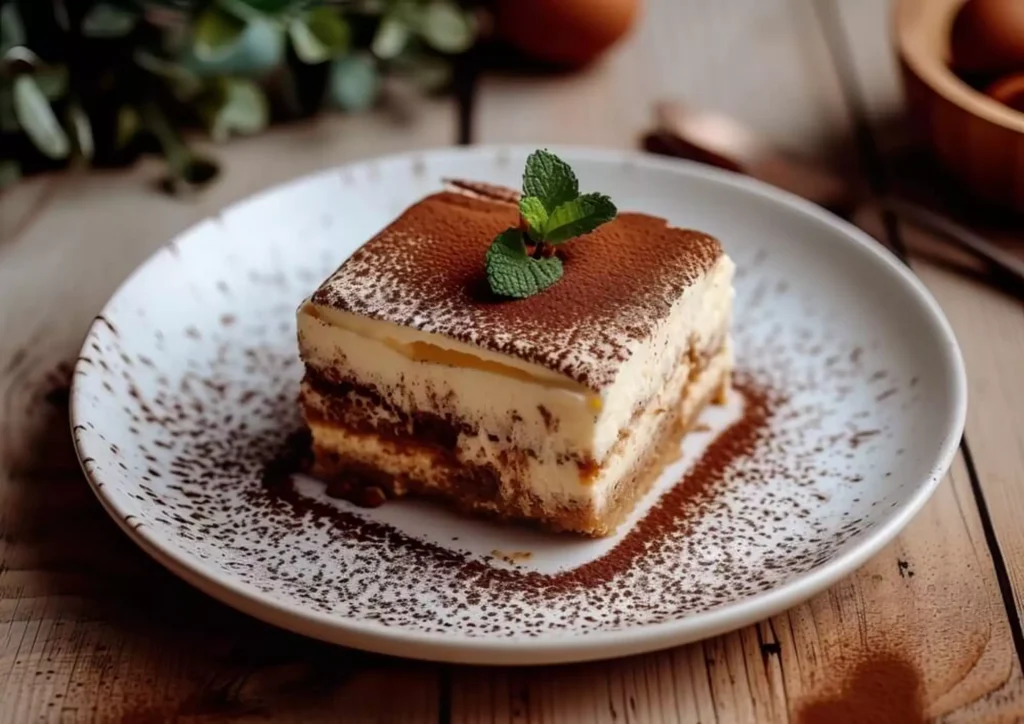
- Tiramisù: Italy’s quintessential dessert, combining layers of sponge cake soaked in coffee with a smooth mascarpone cream, leaving a sweet memory on the palate.
Gastronomic Tourism: An Unforgettable Journey Through Italy’s Flavors
For food lovers, Italy is not just a place to eat well but a place where food is a way of life. Gastronomic tourism in Italy offers the chance to immerse yourself in the heart of the country’s culinary culture by participating in cooking classes, exploring local markets, and learning to cook like a true Italian. Each meal is a celebration, and every bite is a story that connects travelers with the traditions and people of the place.
Italian cuisine is much more than a collection of recipes; it is a celebration of life, an art that has endured for centuries and continues to captivate palates worldwide. It is a tangible display of the passion, love, and dedication that Italians put into everything they do. And by tasting it, we not only nourish ourselves but connect with the very essence of Italy.
To see more articles related to this topic, follow this link.


 Metaphore Magazine
 Carlos Mundy



 Gaspard de Montfort
 Milton Cooper
 Lavinia Ellington-Wentworth
 Ludovico di Valdieri
 Avner Kessel