
 Mayte Hidalgo
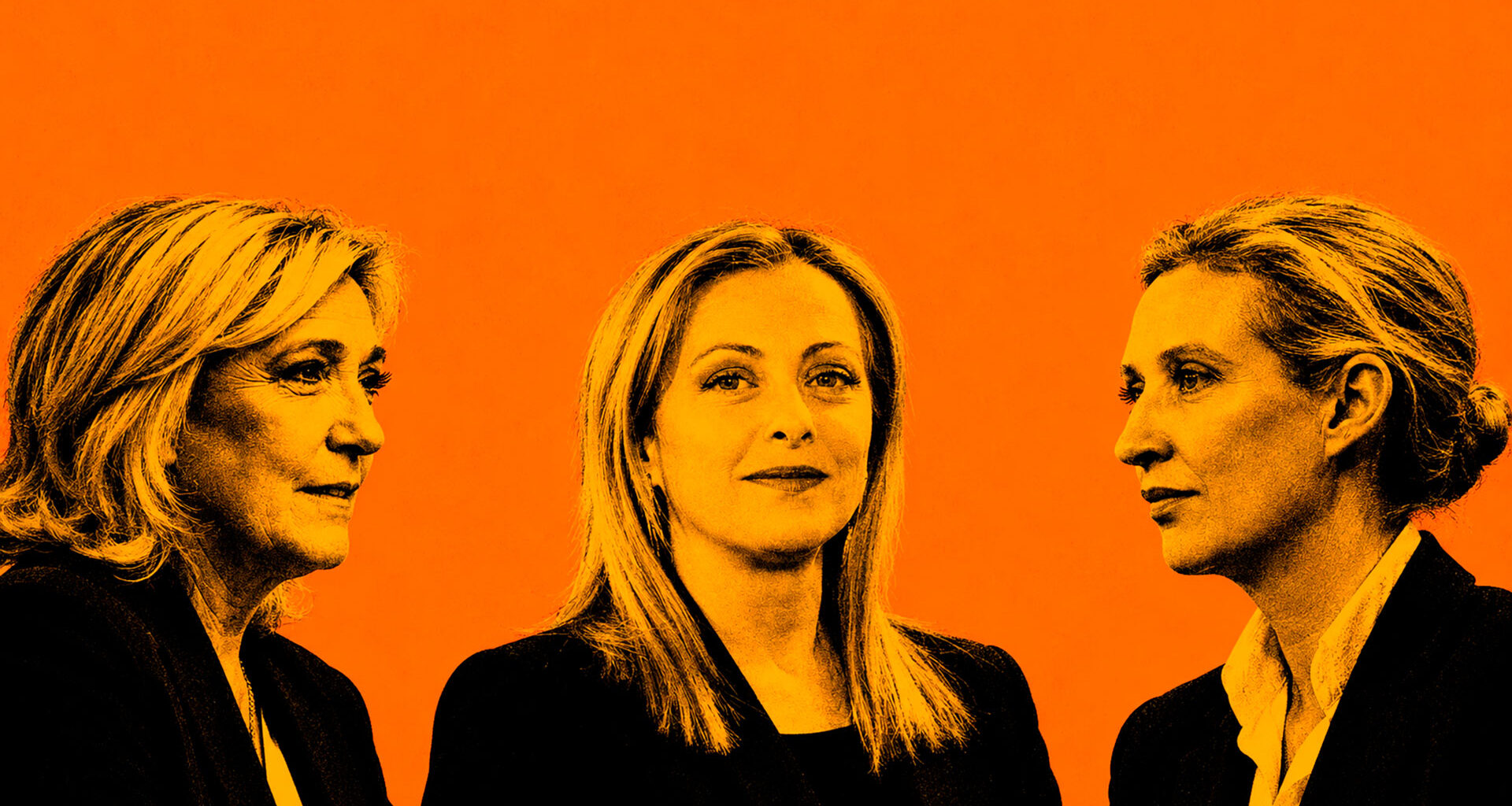
Giorgia Meloni governs Italy. Marine Le Pen leads the race for the French presidency. Alice Weidel’s party is breaking through in Germany. Like Margaret Thatcher before them, they challenge a political establishment that has grown too comfortable telling voters which questions may be asked.
Margaret Thatcher did not become the Iron Lady because everyone agreed with her. She earned the name because she recognised her country’s loss of confidence and refused to accept decline as inevitable. She spoke with conviction, won power and changed the terms of political debate.
Europe may be approaching another such moment. Giorgia Meloni, Marine Le Pen and Alice Weidel are different politicians in different circumstances. Only Meloni currently governs. Yet each has risen by taking seriously concerns that established parties have too often dismissed: the cost of living, the control of borders, the strength of national identity and the distance between citizens and those who govern them.
These concerns begin around the kitchen table. Families struggle with the price of food, energy and housing while wondering what they receive for the taxes they pay. They see governments promise to control irregular migration, then struggle to enforce their own rules. They hear that integration matters, yet are sometimes made to feel unreasonable for asking what newcomers are expected to integrate into. They value Europe’s Christian heritage and worry that its place in public life is being surrendered without an honest debate. The cost of living remains the leading concern at both national and personal level in the European Commission’s spring 2026 survey. Source: European Commission Eurobarometer
For some voters, these worries include a fear of the Islamisation of Europe: that migration without effective integration, combined with concessions to religious demands, could gradually alter the character of their countries without their consent. That concern deserves open democratic debate. It raises practical questions about what schools teach, whether women and men enjoy equal rights in every community, and whether one civil law applies to everyone.
Religious freedom must protect Christians, Muslims, Hindus, Buddhists and people of every faith or none. Muslim citizens have the same right as anyone else to seek and hold public office. Every officeholder, whatever their faith, must govern for the whole public. No politician should give religious doctrine authority over civil rights or public decisions. Europe should be confident enough to protect its Christian inheritance while honouring freedom of worship. Tolerance must be mutual; it cannot require a society to apologise for its own traditions.
The debate over Sharia councils makes this distinction especially important. Concerns about pressure on women seeking religious divorces deserve a serious response. In my view, religious bodies should not adjudicate family disputes or issue rulings that could be mistaken for legal judgments. Marriage, divorce, custody and inheritance must remain under the country’s civil law, with equal access to its courts. People may seek spiritual advice, but nobody should feel compelled to accept a parallel form of justice.
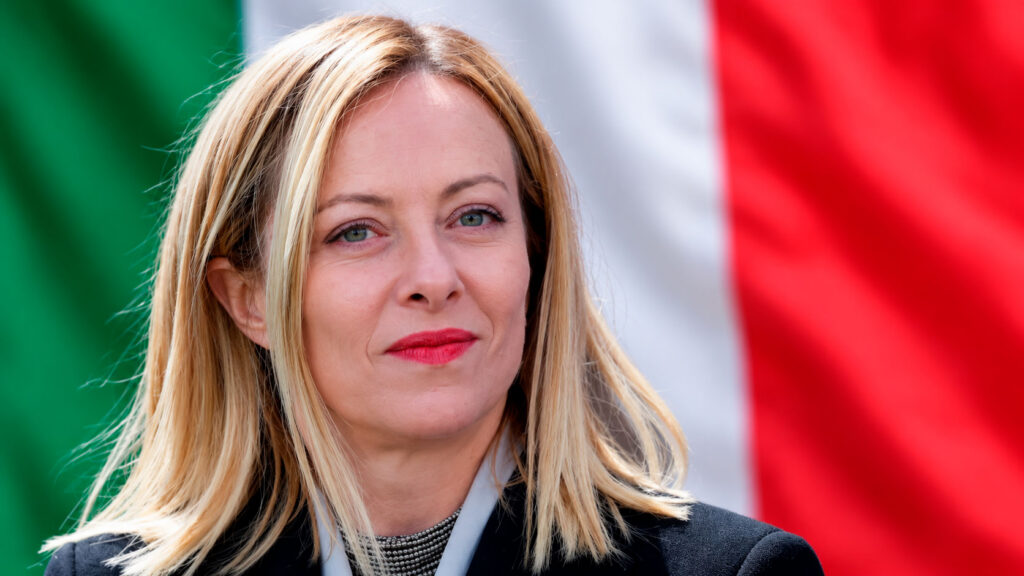
Meloni has already put her argument to the test of government. Since becoming Italy’s prime minister in 2022, she has had to manage public finances, negotiate with European partners and confront the difference between a campaign promise and an achievable policy. Italy’s problems have not disappeared. But she has brought unusual continuity to its government and shown that a national conservative leader can exercise influence from within European institutions. She has demonstrated that this movement is capable of more than protest. Source: Italian government
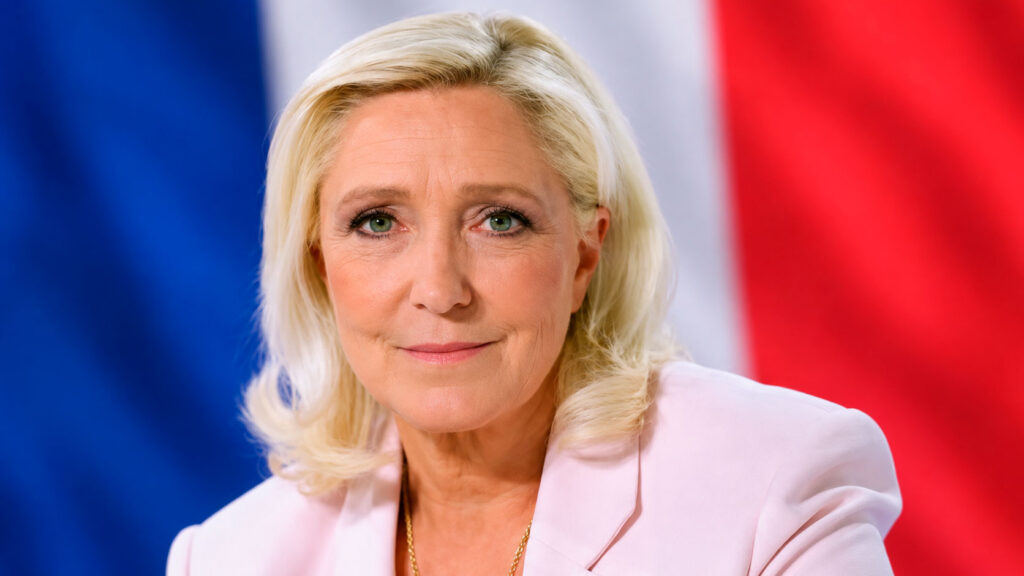
Le Pen could take the argument further. She approaches France’s 2027 presidential election with a substantial lead in first-round polling. Her eventual opponent and the result of a second round remain uncertain, but she has a serious prospect of winning. A Le Pen presidency would give one of the European Union’s founding powers a leader determined to defend greater national control over decisions affecting French citizens. Paris would no longer treat every proposal from Brussels as the inevitable direction of progress. Source: Ipsos
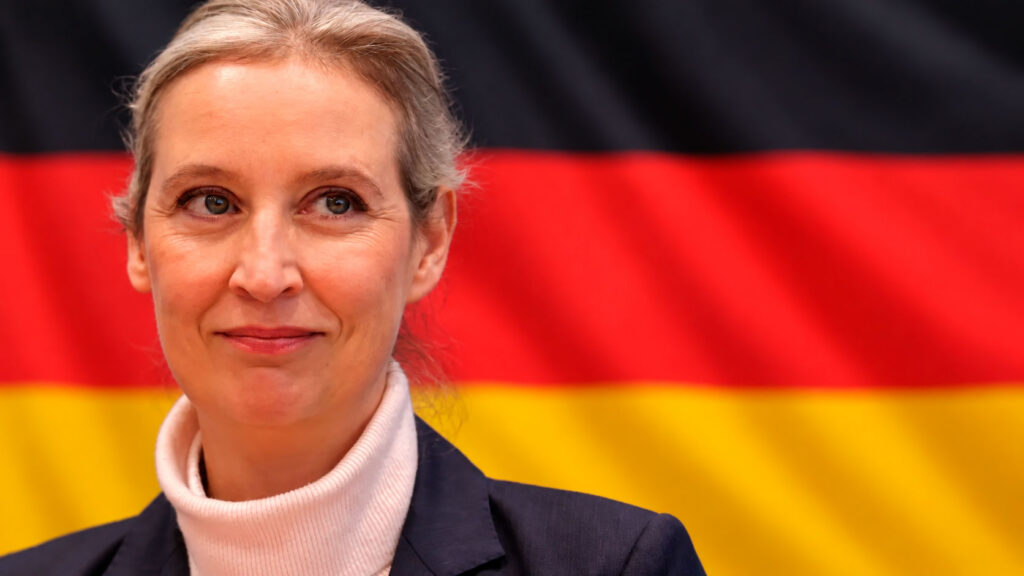
Weidel faces the hardest route to office, but I hope she prevails. The AfD has finished first in recent German state elections, although it has won pluralities rather than outright majorities, and other parties refuse to govern with it. Coalition choices belong to elected parties; no party can demand a partner. Yet excluding the AfD from government cannot, by itself, answer the concerns of its voters. If Germany’s established parties want to regain their trust, they must offer convincing answers on migration, economic security and the country’s future.
The comparison with Thatcher concerns more than strength of character. Thatcher challenged a prevailing consensus and then accepted the burden of governing. Meloni is doing that now. Le Pen and Weidel must still demonstrate that electoral momentum can become a workable majority and effective leadership. Their supporters should welcome that test: conviction matters most when it produces results.
The rise of these women could also change the balance of debate in Brussels. Ursula von der Leyen’s European Commission has immense influence because it sets priorities and proposes legislation. The public did not directly elect its president, and many voters resent that distance from the ballot box, although she was nominated by national leaders and elected by the European Parliament. Neither France nor Germany could simply remove her or take away the Commission’s powers. But national governments have substantial power of their own. Leaders with a mandate for change could build alliances, challenge costly proposals and demand that the Commission justify its choices more rigorously.
That is how Brussels can be held to account: through votes, negotiations and governments prepared to say no. Stronger border enforcement, closer scrutiny of regulation, a firm expectation of integration and greater respect for national decisions would all have to be won within Europe’s democratic institutions. Meloni has begun to show how a determined government can influence that debate. A French president and, eventually, a German chancellor sharing some of her priorities would make those demands harder to ignore.
No three politicians can bring down prices, secure borders or restore public confidence by force of personality alone. Yet continuing with policies that leave citizens feeling poorer, culturally uncertain and unheard is also a choice, and one with consequences. Europe needs leaders willing to challenge it.
That is why these women inspire hope. They ask Europe to have confidence in its nations, defend its freedoms and traditions, expect mutual respect from those who come to live within them, and make its governing institutions answer to the people. If they turn those convictions into capable government, they may do more than win elections. They may help Europe recover its belief that it can shape its own future.
That would be an achievement worthy of comparison with the Iron Lady.


 Carlos Mundy
 Giovanni R. Ruffini Professor of History Fairfield University, USA


 Metaphore Magazine


 Laura Mitchell
 Mayte Hidalgo