 Carlos Mundy
From the legendary nights of Studio 54 to the heights of international society, the extraordinary story of a Peruvian woman who transformed the art of public relations — and a friendship born in New York in 1977.
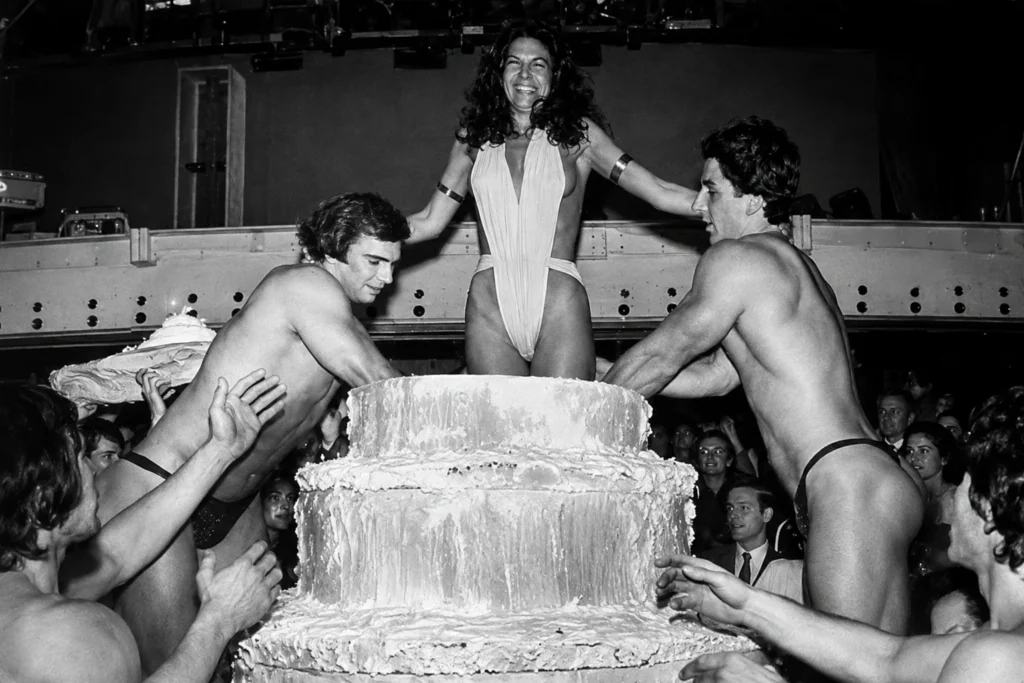
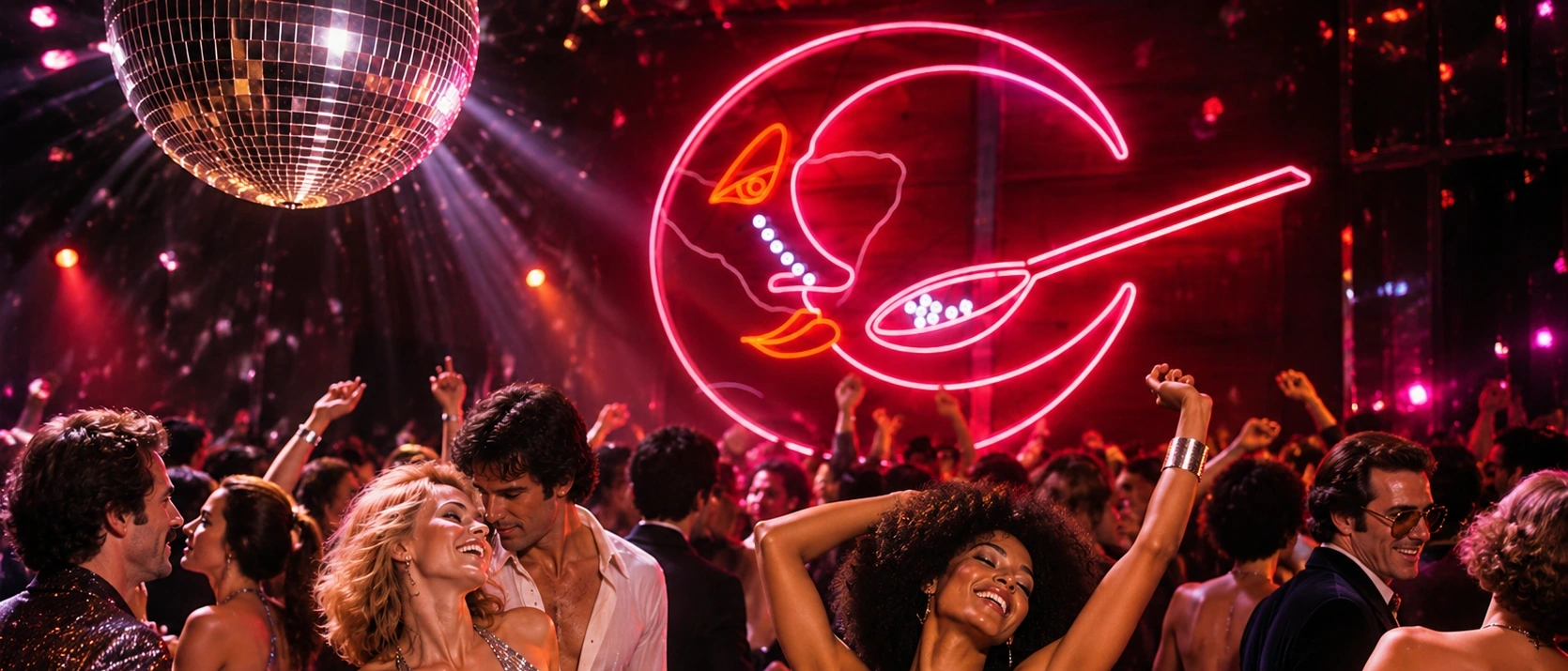
I first met Carmen D’Alessio in New York in 1977, during what was to become one of the most memorable chapters of my youth. I was enjoying my gap year, and New York was the first stop on an ambitious journey around the world. I had intended to spend a month discovering the city. What I had not anticipated was that I would spend most of my nights at Studio 54, which had become the most fascinating place on earth.
Those were extraordinary times. New York possessed an energy, a freedom and a certain delicious sense of abandon that would be difficult to imagine today. And at the very heart of it all was Carmen.
I was young, endlessly curious and thoroughly captivated by this extraordinary world in which artists, aristocrats, film stars, fashion designers and the most fascinating assortment of personalities mingled beneath the glittering lights of what would become the world’s most famous nightclub. Carmen seemed to know everyone, and everyone seemed to know Carmen. She possessed that rare and wonderful gift of making people feel immediately welcome, as though they had been friends for years.
We became friends during that unforgettable month, and although life eventually carried us in different directions and we have not seen one another since those distant days, the friendship has endured. There are people one meets fleetingly who nevertheless leave an indelible impression, and Carmen was certainly one of them.
Nearly half a century has passed since those nights in Manhattan. The world has changed beyond recognition, and the extraordinary society that gathered at Studio 54 has largely vanished into history. Yet Carmen D’Alessio remains a fascinating presence in the international social world, her name forever associated with an era of unparalleled glamour, creativity and exuberance.
It is therefore a particular pleasure, and something of a personal journey down memory lane, to write about a woman whom I had the good fortune to meet when we were both part of a world that seemed, at the time, as though it would last forever.
But Carmen’s story is far greater than Studio 54. To understand the woman behind the legend, one must return to her beginnings in South America, long before she became one of the most influential figures in international public relations.
From Lima to Manhattan: The Making of an International Woman
Carmen D’Alessio’s remarkable social intelligence was cultivated long before she entered the New York nightlife scene.
Born in Peru to a Peruvian father and Chilean mother, she grew up in a South American environment in which education, languages and international connections played an important role.
Her upbringing was not without its restrictions. In interviews, D’Alessio has spoken candidly about the traditional expectations of her father, who afforded her brothers opportunities that he was less willing to extend to his daughter.
Her mother, however, recognised Carmen’s independent spirit and encouraged her ambitions. She supported her linguistic education and her determination to experience the wider world.
That encouragement would prove decisive.
D’Alessio became fluent in several languages, including English, French and Spanish, later acquiring Italian and Portuguese. These abilities gave her an extraordinary advantage in a period when the international social world was becoming increasingly interconnected, yet remained divided by geography, language and established hierarchies.
She arrived in New York during the 1960s and began working as an interpreter at the United Nations.
It was an appropriate introduction to the city. The United Nations brought together diplomats, politicians, intellectuals and influential figures from across the world. For a young woman of exceptional curiosity and social confidence, it offered an invaluable education in the subtleties of international relationships.
But the diplomatic world, for all its prestige, could not contain her ambitions.
Carmen possessed a temperament that required movement, creativity, beauty and excitement. The formalities of diplomacy were soon exchanged for an altogether more colourful universe: fashion.
Haute Couture and the Art of Knowing Everyone
The fashion industry of the 1960s and 1970s was considerably more intimate than the global corporate business it would eventually become.
Designers were not simply commercial figures. They were personalities whose private lives, friendships and social circles were inseparable from their professional identities.
Paris and Rome remained the great centres of European couture, whilst New York was emerging as an increasingly powerful cultural and commercial capital.
D’Alessio entered this world through public relations work associated with Yves Saint Laurent before joining the house of Valentino in Rome.
Working in the orbit of Valentino Garavani introduced her to an international society in which fashion, aristocracy, cinema, wealth and artistic patronage intersected.
The distinction between a professional relationship and a personal friendship was often fluid. A designer might entertain a film star, a princess might introduce a collector, and an artist might find himself at dinner beside an industrialist.
D’Alessio understood that these encounters were not incidental to the success of luxury brands. They were central to it.
A beautifully organised evening could establish a designer’s reputation more effectively than an expensive advertising campaign. A friendship with the right cultural figure could open doors that conventional publicity could never reach.
More importantly, she discovered that the real currency of international society was not simply money or fame.
It was access.
And access depended upon trust, discretion, personality and the ability to make people feel that they belonged.
These principles would become the foundation of her career.
The Return to New York: A City Waiting to Be Seduced
When D’Alessio returned to New York in the mid-1970s, the city was undergoing a profound cultural transformation.
Manhattan was financially troubled, socially restless and artistically electrifying.
Its streets might have reflected the economic difficulties of the period, but its creative life was flourishing. Artists, fashion designers, musicians, photographers, actors and an increasingly visible gay community were challenging traditional social conventions.
Disco music was becoming the soundtrack to a new form of urban freedom.
The city’s nightlife was no longer simply a matter of dining, drinking and dancing. It was becoming a theatre in which identity, sexuality, fashion and celebrity could be explored with unprecedented freedom.
D’Alessio recognised the opportunity immediately.
She began organising evenings at establishments including Tropicalia and Infinity, attracting precisely the combination of people that could transform an ordinary nightclub into an essential social destination.
Her parties at Tropicalia successfully drew crowds on Tuesday and Thursday evenings, traditionally quieter nights.
This detail is particularly revealing.
D’Alessio was not merely capable of attracting celebrities to an already fashionable establishment. She could create demand where little had previously existed.
Her genius lay in understanding the chemistry of a room.
An evening populated exclusively by wealthy people might be expensive, but not necessarily interesting. A room filled entirely with famous people could be equally tedious.
Carmen preferred a more unpredictable mixture: established society beside emerging talent, fashion designers beside performers, artists beside aristocrats, and celebrated personalities beside beautiful strangers.
She understood that excitement was generated by the unexpected.
It was this instinct that attracted the attention of two ambitious nightclub entrepreneurs, Steve Rubell and Ian Schrager.
Studio 54: The Birth of a Cultural Phenomenon
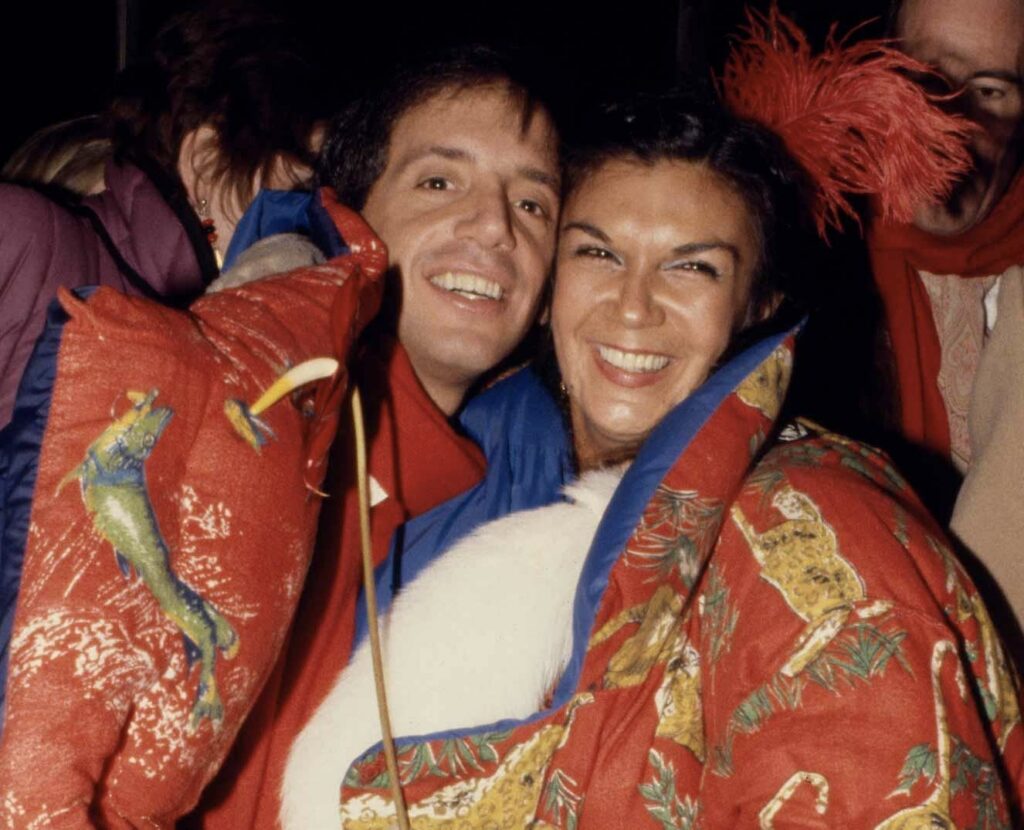
On 26 April 1977, Studio 54 opened its doors in a former television studio and theatre at 254 West 54th Street in Manhattan.
What followed would become one of the most celebrated chapters in the history of New York nightlife.
The club was owned and operated by Steve Rubell and Ian Schrager. Yet Carmen D’Alessio played a crucial role in developing its identity, promoting its opening and attracting the extraordinary constellation of personalities that made it famous.
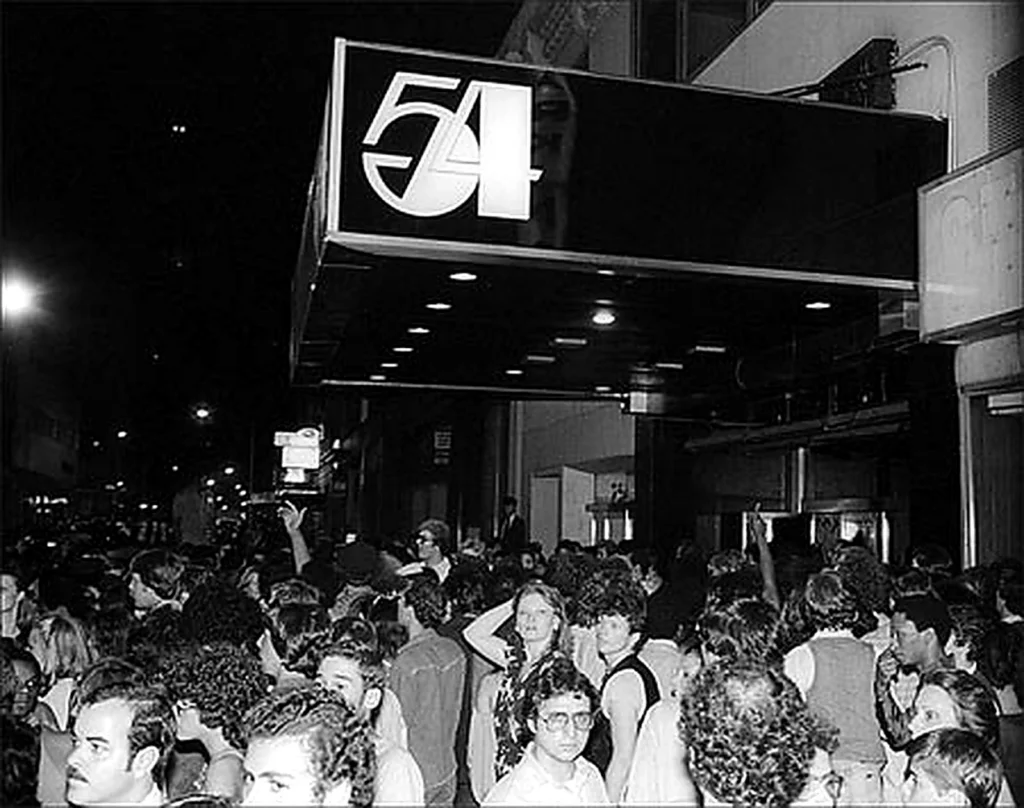
Her involvement had begun earlier, when Rubell and Schrager approached her about promoting their nightclub, the Enchanted Garden, in Queens.
Initially sceptical about the location, she eventually agreed to organise an extravagant Arabian-themed celebration inspired by One Thousand and One Nights.
The event was a triumph.
It demonstrated that her personal network could transform a venue’s fortunes almost overnight.
When the opportunity arose to establish a new nightclub in Manhattan, D’Alessio recognised the possibilities of the enormous former theatre.
The scale of the space permitted something beyond conventional nightlife. It could accommodate theatrical productions, extraordinary decorations, elaborate performances and events conceived with the ambition of a Broadway spectacle.
D’Alessio helped bring together the social world that would give the club its identity.
Andy Warhol, Halston, Calvin Klein, Bianca Jagger, Liza Minnelli and countless others became associated with its extraordinary evenings.
The guest list was itself an instrument of publicity.
Warhol famously recognised the extraordinary commercial value of Carmen’s meticulously maintained contacts. In an age before digital databases, her address book was a form of social capital that competitors could neither purchase nor easily reproduce.
Yet the real achievement was not simply bringing famous people together.
It was creating an atmosphere in which those people wanted to return.
Studio 54 became a place where established social distinctions were temporarily suspended, where a celebrated film star might dance beside an unknown young artist, and where the boundaries between spectator and performer seemed to disappear.
The club’s famous entrance policy, administered by Rubell and his team, made admission itself a subject of fascination.
Exclusivity created desire. Desire created publicity. Publicity increased exclusivity.
It was an extraordinarily effective mechanism, even if its arbitrariness could be cruel to those left outside.
And at the centre of its social mythology stood Carmen D’Alessio, the woman whose connections and imagination had helped make the entire enterprise possible.
For me, remembering Studio 54 is inseparable from remembering Carmen. I had arrived in New York expecting to discover a great city, and instead found myself witnessing the birth of a legend. During that month, as I returned night after night, it seemed perfectly natural that such an extraordinary collection of people should find themselves under one roof. Only with the passing of time does one appreciate just how exceptional those evenings were.
The Parties That Became History
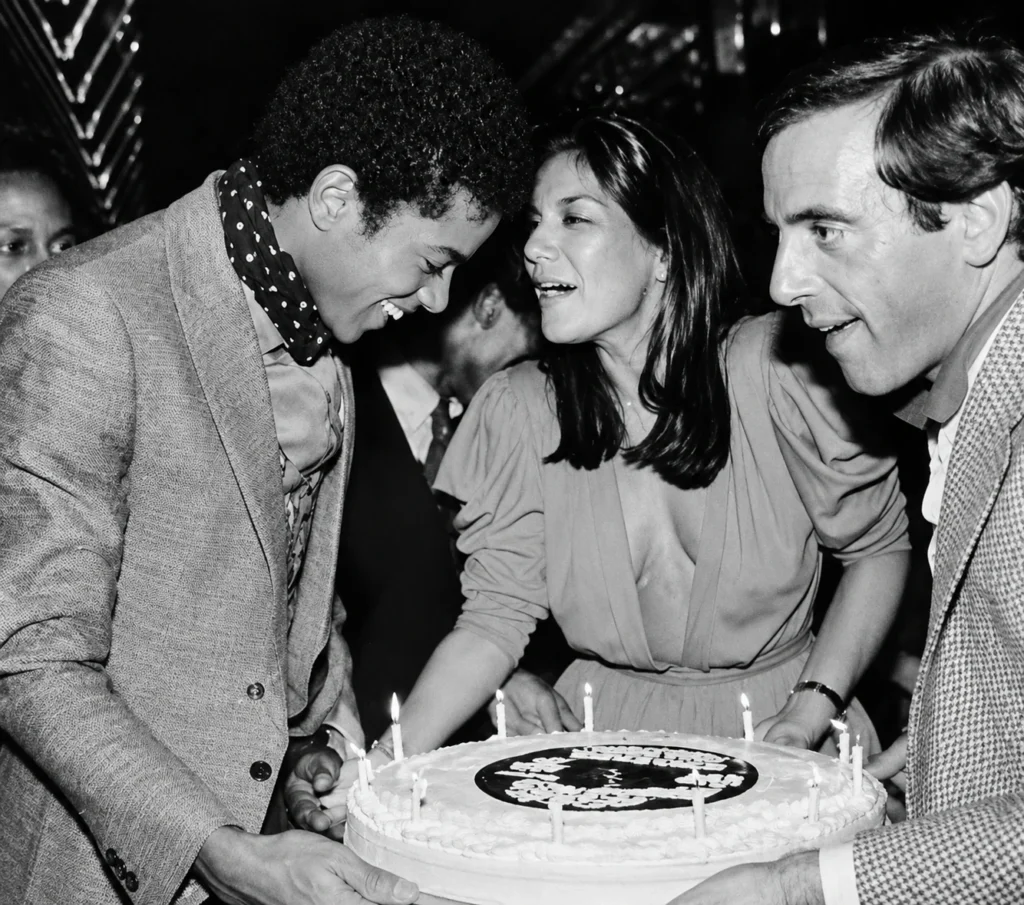
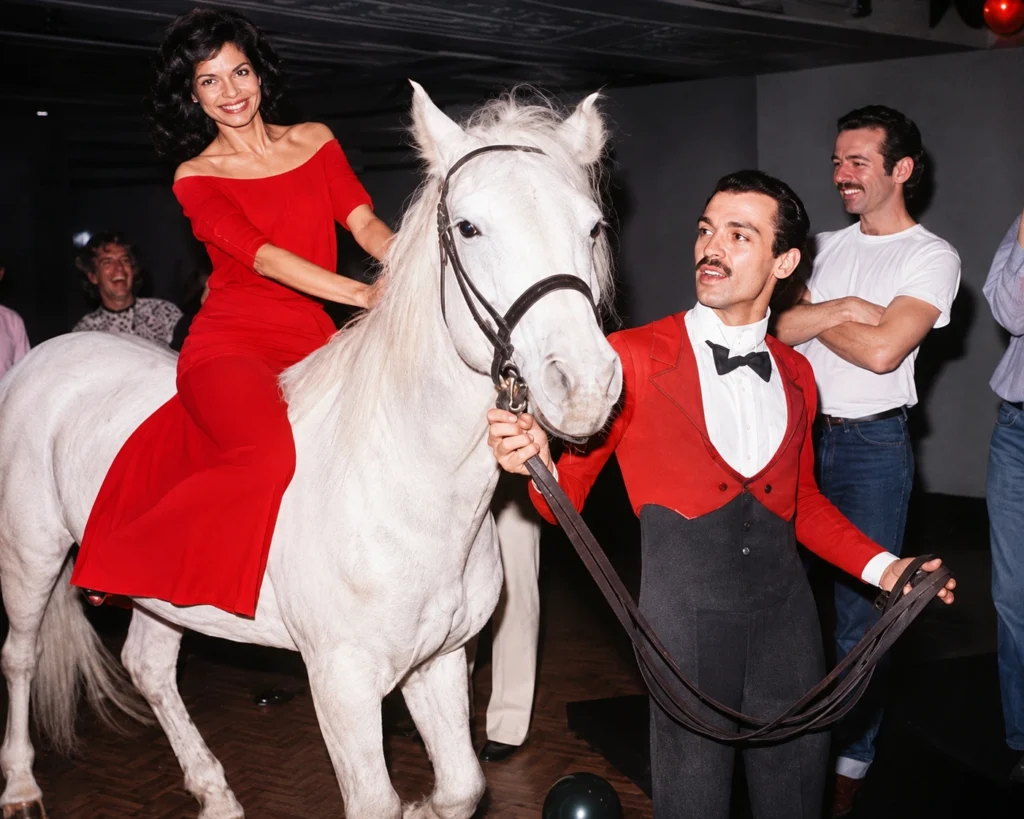
Studio 54 did not merely host parties. It created spectacles that entered the collective imagination.
Perhaps the most famous was Bianca Jagger’s birthday celebration in May 1977, when the Nicaraguan-born socialite was photographed sitting astride a white horse inside the nightclub.
The image became one of the defining photographs of the disco era.
D’Alessio subsequently explained that the original concept had involved a theatrical Lady Godiva figure arriving on horseback. Bianca Jagger’s spontaneous participation transformed the scene into something entirely different.
The photograph travelled around the world, giving Studio 54 publicity of a kind that money alone could scarcely have purchased.
The episode perfectly illustrates D’Alessio’s understanding of spectacle. An extraordinary image could carry the reputation of an establishment far beyond its physical walls.
Other celebrations were equally extravagant.
For Valentino, the club became a circus-inspired fantasy, complete with elaborate theatrical effects. Giorgio Armani was celebrated with a spectacle drawing upon the elegance of Renaissance Italy and the theatricality of the Ballets Trockadero de Monte Carlo.
For Paloma Picasso, D’Alessio organised a lavish celebration inspired by a red, white and black colour scheme, reportedly costing $100,000.
These events were not simply expensive indulgences.
They were carefully orchestrated expressions of identity, linking the personalities being celebrated with an unforgettable visual experience.
In modern terminology, they were immersive brand activations, experiential marketing and celebrity-led publicity campaigns.
D’Alessio was practising these disciplines long before the industry had invented the terminology.
In a 2014 interview with the Spanish news agency EFE, she recalled the extraordinary creative freedom Rubell and Schrager had given her. They were prepared to invest substantial sums in ambitious concepts without the immediate commercial calculations that dominate much of today’s event industry.
That willingness to experiment was one of the essential ingredients of Studio 54’s success.
The other was Carmen herself.
Andy Warhol, Salvador Dalí and the Artistic Aristocracy
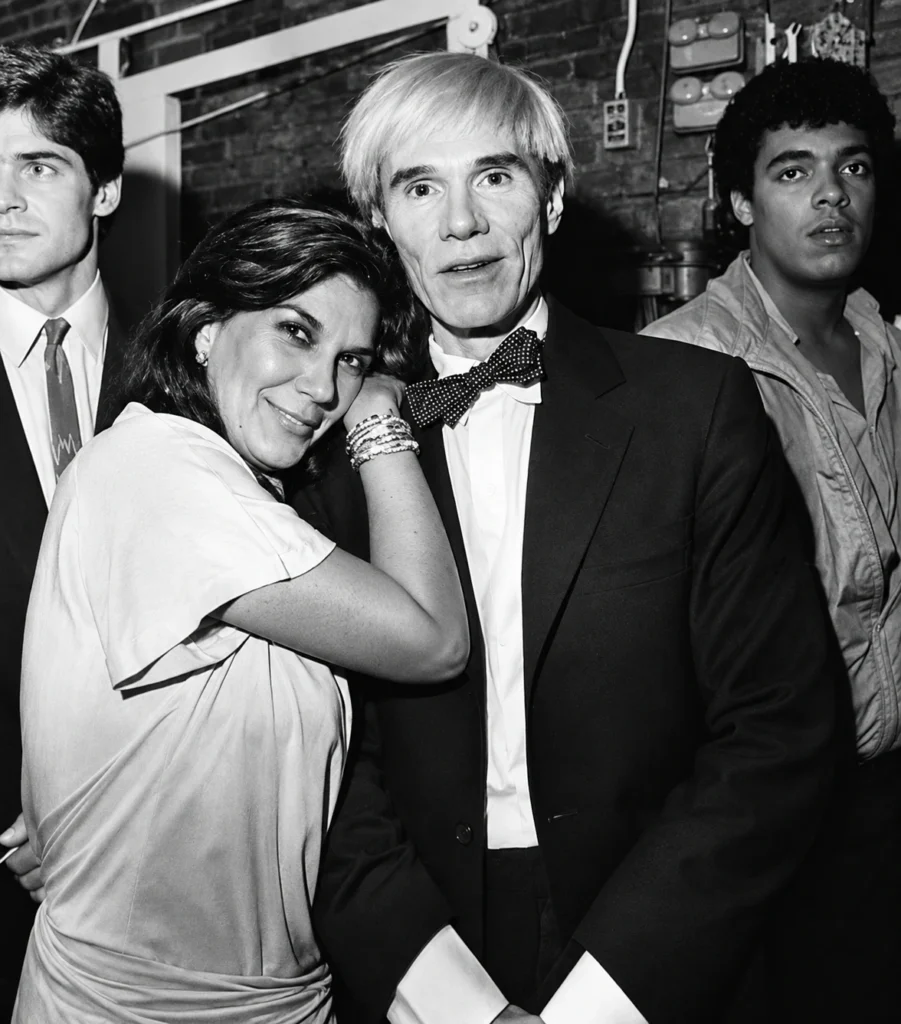
One of the most fascinating aspects of D’Alessio’s career was her relationship with the artistic world.
She moved comfortably among personalities who were transforming the cultural landscape of the twentieth century.
Andy Warhol was particularly significant.
Warhol understood celebrity as both an artistic phenomenon and a commercial commodity. His fascination with society, glamour, fame and publicity closely paralleled D’Alessio’s professional instincts.
Both recognised that public attention could be cultivated, shaped and transformed into cultural significance.
Their friendship belonged to an era when the boundaries between art, fashion and society were unusually porous.
Warhol’s own photographic archive contains images of D’Alessio, including a work now held by the Spencer Museum of Art at the University of Kansas.
The museum’s catalogue describes her importance to Studio 54 and identifies her extraordinary celebrity connections as central to the club’s success.
Salvador Dalí also belonged to her remarkable social universe.
In a 2019 interview, D’Alessio recalled the surrealist master’s involvement in her wedding celebrations, describing him as an acting godfather at the occasion.
It is a detail that seems almost impossibly theatrical, yet entirely appropriate to her life.
Dalí was himself a master of self-presentation. He understood that eccentricity, carefully cultivated, could become a powerful element of personal identity.
D’Alessio possessed a comparable instinct, although hers was expressed through social relationships rather than painting.
She did not simply admire celebrated artists from a distance.
She became part of the cultural environment in which they lived and worked.
The Woman Behind the Guest List
It is tempting to regard the great society hostesses and public relations personalities of the twentieth century as glamorous figures whose principal achievement was knowing important people.
Such an interpretation considerably underestimates the sophistication of their work.
A genuinely successful public relations professional must understand reputation, psychology, timing, commercial opportunity and the subtleties of human relationships.
D’Alessio demonstrated an instinctive command of these disciplines.
She recognised that a guest list was not merely an inventory of desirable names. It was the foundation of an experience.
Each person contributed something different: cultural authority, beauty, intelligence, eccentricity, influence, commercial power or simply the capacity to make an evening memorable.
She also understood the importance of introducing people who might never otherwise have encountered one another.
A fashion designer could meet a potential patron. An emerging artist might encounter a collector. A hotelier could discover a new business partner.
The immediate purpose might be pleasure, but the consequences could extend far beyond the evening itself.
This was networking in its most sophisticated form, conducted not through formal business introductions but through the apparently effortless rituals of international society.
There was, however, another essential element to her success.
D’Alessio herself became a recognisable personality.
Her exuberance, distinctive appearance, international background and extraordinary social confidence made her more than a professional organiser.
She became part of the attraction.
People were not simply invited to an event.
They were entering Carmen’s world.
The End of an Era — But Not of a Career
The original Studio 54 era proved remarkably brief.
The club’s celebrated period under Rubell and Schrager ended amid federal tax investigations, criminal proceedings and the eventual imprisonment of its owners.
The original partnership’s downfall has become almost as famous as the establishment itself.
D’Alessio, however, had maintained a different professional position.
In later interviews, she explained that she had been remunerated under a contractual arrangement rather than becoming an equity partner in the business.
Her account illustrates an important distinction between the creative personalities who made Studio 54 culturally significant and the businessmen responsible for its financial and legal affairs.
For many of those involved, the end of the original Studio 54 represented the disappearance of an extraordinary way of life.
For D’Alessio, it was another turning point.
Her professional identity had never depended entirely upon a single establishment.
She had brought her relationships, imagination and reputation to Studio 54.
Those qualities remained hers when the doors closed.
There was also a wider transformation taking place.
The carefree excesses of the late 1970s gave way to the economic ambitions of the 1980s, changing social attitudes and the devastating emergence of the AIDS epidemic.
The New York nightlife scene that had made Studio 54 possible could never be recreated in precisely the same form.
But D’Alessio understood something fundamental about social life: its forms change, whilst the human desire for pleasure, recognition and companionship remains remarkably constant.
Reinvention: From the Queen of the Night to the Art of the Afternoon
One of the most revealing aspects of Carmen D’Alessio’s career is her willingness to reinvent the very concept of fashionable entertainment.
As New York’s nightlife evolved, she began exploring a different approach to social gatherings.
Rather than concentrating exclusively on the traditional late-night nightclub experience, she embraced fashionable brunches, rooftop celebrations and early-evening events.
The shift was both practical and imaginative.
A sophisticated afternoon gathering could attract an international clientele who might no longer wish to spend their evenings dancing until dawn.
It could also create opportunities for luxury hotels, restaurants and hospitality groups to develop entirely new social experiences.
In 2014, D’Alessio spoke to EFE about organising brunches and sunset parties at fashionable New York locations, including the Standard Hotel and PHD.
By 2019, she was discussing her work with the Tao Group and the Peruvian restaurant concept Baby Brasa in interviews with The Impossible Network.
Her involvement reflected the same instincts that had made her successful decades earlier: recognising an emerging social preference, bringing together an attractive clientele and transforming a hospitality venue into a desirable meeting place.
The essential principle had not changed.
Only the hour of the celebration had moved.
An International Spirit Without Borders
Although New York remains inseparable from D’Alessio’s public identity, her outlook has always been international.
Her Peruvian origins, Chilean family connections, European professional experience and multilingual education created a cosmopolitan sensibility that transcended national boundaries.
She belongs to a generation for whom international society was built through travel, correspondence, introductions and personal friendships.
Long before global communication became instantaneous, maintaining such a network required considerable effort.
Relationships had to be cultivated across continents and preserved over many years.
D’Alessio made this internationalism a central part of her personality.
In a 2022 interview with the Spanish publication Magas, she described herself as Peruvian by birth, a New Yorker through experience and Brazilian at heart.
Speaking from Rio de Janeiro, she expressed her affection for Brazil’s warmth, sociability and enthusiasm for life.
She also described how, almost immediately upon arriving at a hotel, she had begun introducing people and creating new social connections.
The anecdote captures something essential about her character.
For D’Alessio, public relations appears less a profession that can be switched on and off than a natural expression of her personality.
Wherever she goes, she sees the possibility of bringing people together.
Her international background also helps explain the remarkable breadth of her social appeal.
She is equally at ease with the formality of European society, the entrepreneurial energy of New York and the exuberance of Latin American social life.
That cultural fluency is not easily acquired.
It is the product of a lifetime spent moving between different worlds without losing one’s individual identity.
Carmen D’Alessio in the Twenty-First Century

The contemporary public relations industry bears little resemblance to the world in which D’Alessio established her reputation.
Today, agencies employ sophisticated analytical tools to measure audiences, manage reputations and calculate the commercial value of publicity.
Luxury brands invest enormous resources in digital campaigns, celebrity endorsements, influencer partnerships and carefully controlled international events.
The mechanics of visibility have changed beyond recognition.
Yet the principles upon which D’Alessio built her career remain surprisingly relevant.
A personal introduction can still achieve what hundreds of unsolicited messages cannot.
A carefully conceived event can generate genuine cultural excitement.
And the presence of the right personalities can still transform a gathering into something that people remember and discuss.
D’Alessio’s career offers a particularly interesting counterpoint to the contemporary obsession with digital influence.
An online following may demonstrate visibility, but it does not necessarily establish personal trust.
A celebrity’s attendance at an event may generate photographs, but it does not automatically create an atmosphere.
An expensive venue may suggest exclusivity, but money alone cannot guarantee that the people inside will find one another interesting.
These are distinctions that D’Alessio understood instinctively.
Her enduring relevance lies in the human dimension of public relations: the ability to cultivate relationships that are meaningful rather than merely transactional.
Still Part of the Social Conversation
It would be misleading to present Carmen D’Alessio solely as a surviving personality from the Studio 54 era.
Her documented public appearances show that she continues to participate in the contemporary cultural and social world.
In recent years she has continued to appear at New York gatherings, art events and fashionable celebrations, maintaining connections across generations of artists, designers and society figures.
Such appearances do not, by themselves, establish the extent of her present commercial public relations commitments. Nevertheless, they demonstrate something significant: D’Alessio remains connected to the society and artistic circles in which she established her reputation.
Few personalities associated with Studio 54 have maintained such an enduring public identity.
There is a particular elegance in this continuity. The young woman who once brought together Warhol, Halston and the fashionable world of Manhattan has lived to see the very concept of celebrity transformed by technology, yet the value of her original gift — bringing people together — remains undiminished.
A Woman Who Refused to Be Defined by Age
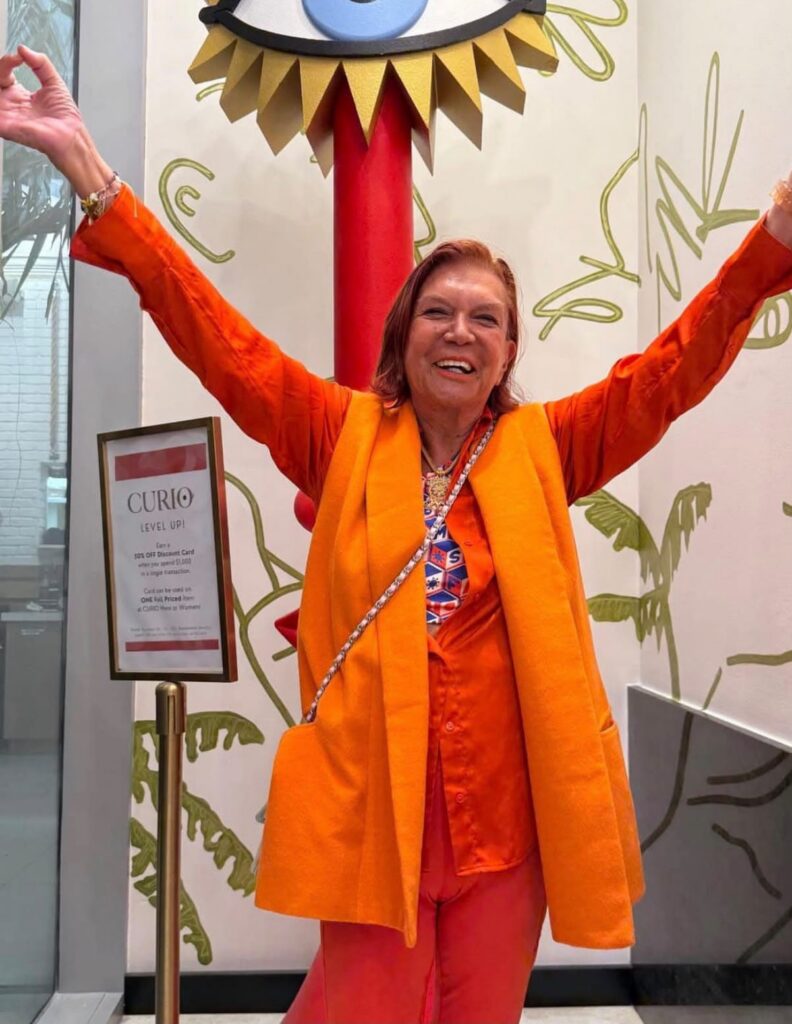
Perhaps the most inspiring aspect of Carmen D’Alessio’s story is her refusal to allow the passing of time to determine the limits of her ambitions.
Her interviews reveal a woman who continues to approach life with curiosity, enthusiasm and an appetite for new experiences.
In 2022, speaking from Brazil, she reflected upon the importance of retaining dreams and remaining receptive to life’s possibilities.
Her outlook was neither sentimental nor particularly nostalgic.
Although she spoke affectionately about Studio 54, she did not suggest that the happiest years of her life were necessarily behind her.
This distinction is important.
Many celebrated figures become custodians of their own past, endlessly recounting the achievements that first brought them recognition.
D’Alessio has consistently presented herself as someone more interested in the next opportunity than in preserving a particular moment of former glory.
Her life has also challenged conventional assumptions about the professional longevity of women in industries often preoccupied with youth and appearance.
She has survived changing fashions, economic crises, the transformation of the entertainment business and the emergence of entirely new forms of publicity.
Throughout these changes, her greatest professional asset has remained essentially unchanged.
It is her personality.
And personality, when accompanied by intelligence, experience and genuine curiosity, need not diminish with age.
The True Meaning of Influence
There is an important distinction between being famous and being influential.
Fame is the condition of being widely recognised.
Influence is the ability to affect what people think, whom they meet, where they go and what they choose to value.
Carmen D’Alessio understood the latter long before the former became a global obsession.
Her influence was not primarily exercised through public declarations or formal positions of authority.
It operated through introductions, invitations, recommendations and carefully cultivated relationships.
She could help determine which venue became fashionable, which celebration attracted attention and which personalities found themselves together at precisely the right moment.
In this respect, her career belongs to a distinguished tradition of international social figures who exercised considerable cultural power without necessarily occupying conventional positions of institutional authority.
But D’Alessio also represents something distinctively modern.
She recognised that social influence could be transformed into a professional service with genuine commercial value.
The guest list, the atmosphere, the spectacle and the personal connection became elements of a sophisticated business proposition.
Today, luxury brands and hospitality companies spend fortunes attempting to reproduce these effects.
D’Alessio demonstrated their value decades before they became standard components of international marketing strategies.
The Legacy of Carmen D’Alessio

The history of twentieth-century glamour is populated by extraordinary personalities.
Some became famous for their beauty, others for their fortunes, their artistic achievements or their celebrated romances.
Carmen D’Alessio’s distinction is that she became influential through her ability to bring other people together.
She understood that a successful gathering could become a cultural event, that an invitation could carry genuine prestige and that the apparently frivolous business of entertaining could have serious commercial and artistic consequences.
Her contribution to Studio 54 remains central to that establishment’s mythology, but the significance of her career extends well beyond the nightclub’s celebrated years.
She helped establish a style of international public relations in which fashion, art, hospitality, entertainment and society became interconnected elements of a single cultural experience.
She also demonstrated that the most successful social relationships cannot be reduced to calculations of immediate advantage.
People return to those who make them feel welcome, valued, entertained and understood.
That principle was true in the New York of 1977.
It remains true today.
Nearly fifty years after Studio 54 opened its doors, Carmen D’Alessio’s name continues to evoke an era of extraordinary creativity, glamour and freedom. Yet her continuing presence in contemporary society suggests that her story cannot be confined to the past.
For all the changes in technology, fashion and the global entertainment industry, the qualities that established her reputation remain timeless: imagination, social intelligence, courage, generosity of spirit and an almost inexhaustible enthusiasm for life.
Studio 54 may have closed its doors on its original golden age long ago.
But Carmen D’Alessio’s greatest creation was never simply a nightclub.
It was a way of bringing people together, of making life more interesting and of turning an ordinary evening into an occasion worth remembering.
And that is an art which never goes out of fashion.
A Personal Postscript
When I think back to that extraordinary month in New York in 1977, I remember the music, the laughter, the fabulous people and the intoxicating atmosphere of a city that appeared to have no limits.
I remember being young and setting off into the world with the wonderful conviction that everything was possible. New York was only the beginning of my journey, yet it provided memories that have accompanied me ever since.
But above all, I remember Carmen, whose warmth and extraordinary personality were as much a part of Studio 54’s magic as its legendary dance floor.
We have not seen one another for almost fifty years, yet some friendships have the curious ability to survive the passing decades without losing their meaning.
Carmen, if you are reading this, perhaps it is time we met again.
We have rather a lot to catch up on.
A Personal Journey Back to Studio 54
For those wishing to revisit the extraordinary world in which Carmen and I first met, I invite you to explore two earlier features published in Métaphore Magazine.
Studio 54: The Ultimate Temple of Hedonism
A journey back to the legendary Manhattan nightclub that defined an era of glamour, freedom and excess, and where, as a young man travelling around the world in 1977, I had the extraordinary good fortune to meet Carmen D’Alessio.
Andy Warhol’s Interview Magazine
An exploration of the magazine that captured the personalities, artistic experimentation and cultural revolution of the New York scene. Warhol’s world and Studio 54 were intimately connected, sharing many of the remarkable figures who made those years unforgettable.
Together, these stories offer a glimpse into a vanished New York, a city whose creativity, eccentricity and exuberance continue to fascinate nearly half a century later.


 Carlos Mundy

 Dixon Acosta

 Elga Wimmer

 Metaphore Magazine


 Pablo H. Aznar
 Charles Markeaton-Mundy

 Ludovico di Valdieri

 Gaspard de Montfort